
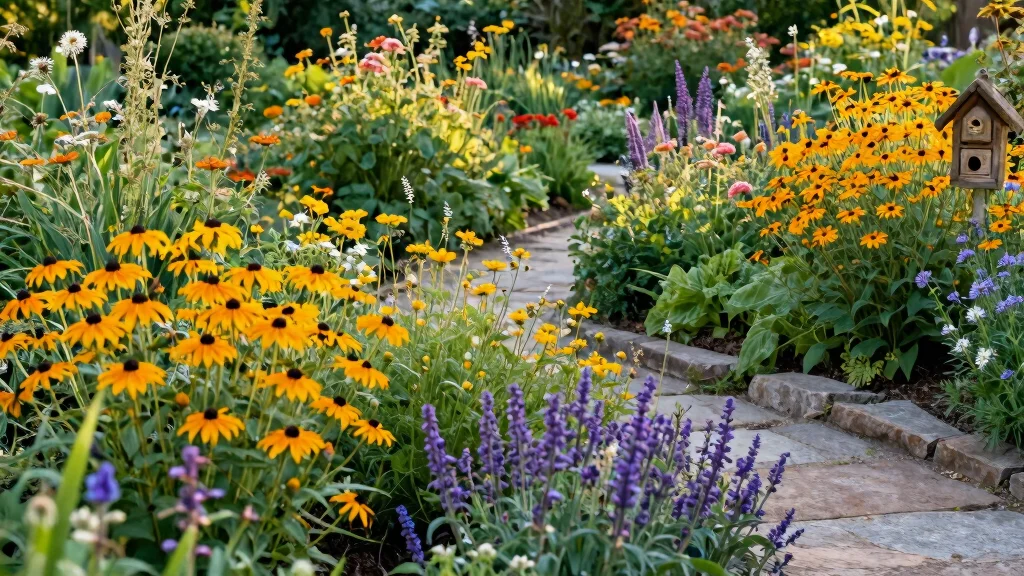
Creating a wildflower garden has been on my mind lately. With so many beautiful native plants just waiting to bloom, I’m craving a space that bursts with color and attracts butterflies and bees. If you’re anything like me and love the idea of a lush, pollinator-friendly garden that requires minimal upkeep, then you’re in for a treat.
This post is for fellow gardening enthusiasts who want to design a stunning wildflower garden without committing to a lot of high-maintenance tasks. Whether you’re a seasoned gardener or just starting out, the tips here focus on using native plants and perennial flowers that thrive in your local environment. You’ll discover nine fabulous landscaping ideas that are not only low maintenance but will keep your space looking gorgeous all season long.
Get ready to transform your garden into a breathtaking wildflower sanctuary. You’ll walk away with practical insights on creating a pollinator paradise, selecting the right plants, and incorporating unique elements that bring your vision to life. Let’s dive into these inspiring ideas and make your garden the talk of the neighborhood!
Key Takeaways
– Discover how to create a pollinator-friendly environment that attracts beneficial insects while enhancing your garden’s beauty.
– Learn the advantages of using perennial wildflowers, which come back year after year, reducing the need for replanting.
– Explore the meadow style of gardening, which mimics natural landscapes and provides a relaxed, organic look.
– Find out how to integrate hardscapes and vertical elements to add depth and interest to your wildflower garden.
– Embrace seasonal blooms by choosing a variety of native plants that provide color and life throughout the year.
Recommended Products

PREMIUM CALIFORNIA WILDFLOWER MIXTURE. Elevate your garden with Sweet Yards California Wildflower Mixture, a bulk 1-ounce packet bursting with over 7,000 native seeds. This open-pollinated and non-GMO mix is thoughtfully curated for maximum beauty and biodiversity.


1. Create a Pollinator Paradise
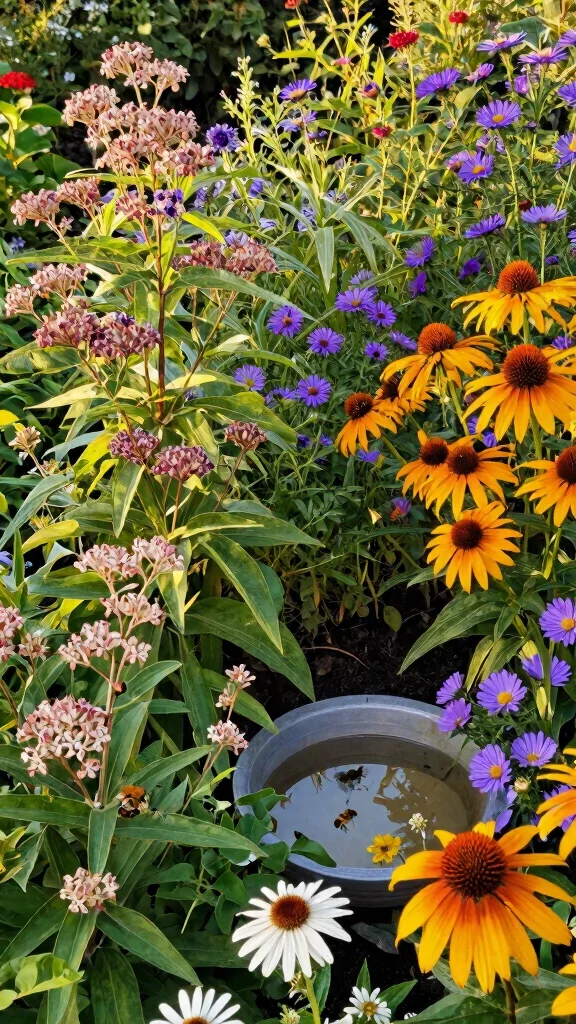
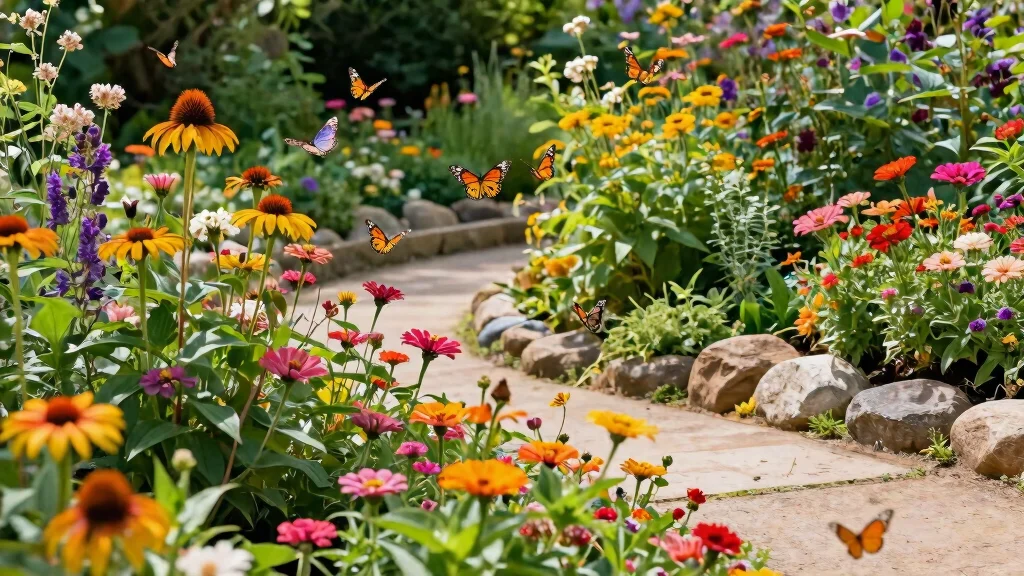
Are you looking to make your garden buzz with life? Designing a pollinator paradise is a beautiful way to attract bees, butterflies, and hummingbirds to your yard. By selecting a mix of native plants like milkweed, asters, and black-eyed Susans, you create a vibrant landscape that not only looks stunning but also supports essential pollinator species. Planning for blooms that last throughout the season will keep your garden alive with color and activity.Start by choosing plants that are local to your area; they’ll thrive better and require less care. Make your garden a haven by avoiding pesticides and adding a shallow water source for pollinators to drink from.Key elements for your pollinator garden:
– Select native plants for optimal growth and survival.
– Eliminate pesticides to protect pollinator health.
– Add a small water feature for hydration.
Your pollinator paradise not only enhances your garden’s beauty but also plays a crucial role in sustaining our environment, making it a rewarding investment for you and nature.
Fun fact: A small pollinator paradise in a 6×6 foot patch can attract 3x more bees and butterflies than a lawn. Native plants like milkweed, asters, and black-eyed Susans boost your wild flower garden landscaping while keeping blooms vibrant all season.
Recommended Products
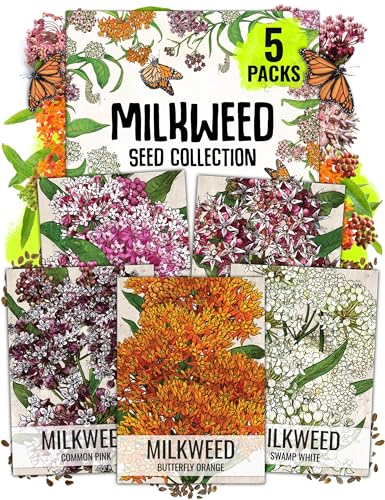
Pollinator Attraction: Milkweed flowers are known for attracting a variety of pollinators, including bees, butterflies, and hummingbirds. They produce a sweet nectar that is particularly enticing to monarch butterflies, which lay their eggs exclusively on milkweed plants.

Monarch Host Plant: Grow common milkweed plants that feed monarch caterpillars; blooms draw butterflies and honeybees. Perennial native wildflowers for USDA zones 2-8, 36 in tall. Great pollinator seeds.

Cold stratify: mix butterfly milkweed seeds with moist sand, refrigerate 30 days, then sow native milkweed seeds for planting just below surface. Native wildflower seeds germinate in 10-21 days.
Create a Pollinator Paradise
Editor’s Choice
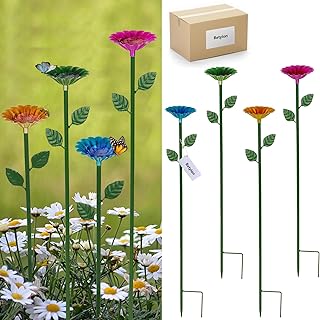
4 Pack Bee Watering Station, Bee Bath for Garden Metal Bee Water Feeder …


Wildflower Seeds Bulk Mix – 10,000+ Perennial & Annual Seeds – Texas, Ca…

Organic Plant Magic – Fast-Acting Water Soluble Plant Food – All-Purpose…
2. Opt for Perennial Wildflowers
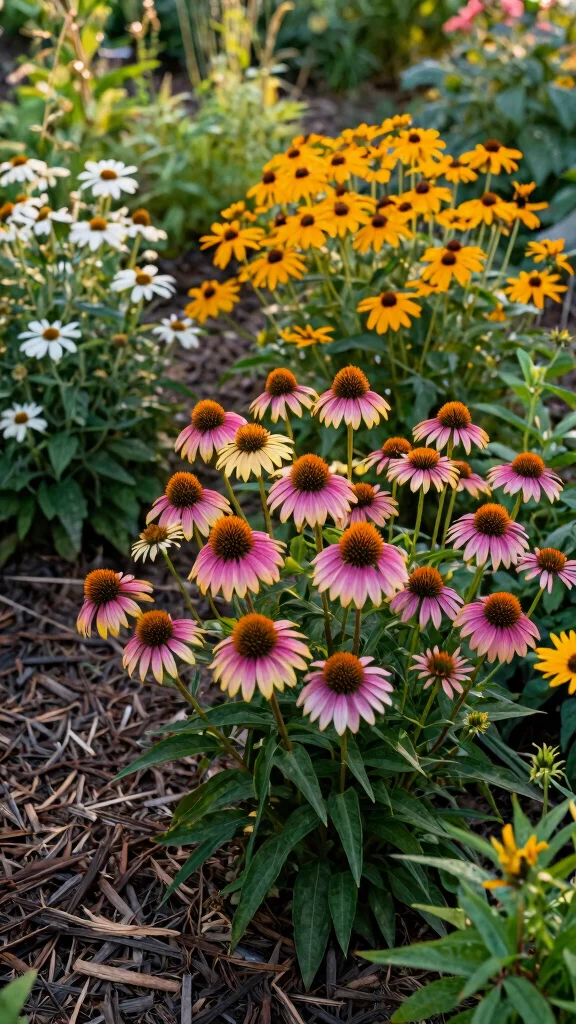
If low maintenance is your goal, perennial wildflowers are a perfect fit. Once they’re established, these plants return year after year, filling your garden with vibrant hues without the hassle of replanting. Varieties like echinacea, rudbeckia, and coreopsis will keep your landscape looking rich and colorful throughout multiple seasons.As you plan, think about scattering these perennials for a natural feel or grouping them for a bold statement. They’re also drought-resistant, making them ideal for gardens that prioritize water conservation.Tips for maintaining your perennial garden:
– Apply mulch to retain moisture and suppress weeds.
– Trim back spent blooms to promote new growth.
By embracing perennials, you’ll enjoy a garden that bursts with life every season while saving precious time and effort.
Recommended Products

High-Value Wildflower: 10,000 Black eyed susan seeds perennial (tender) deliver masses of yellow daisy blooms for pollinator gardens. Great wildflower seeds for beds, borders, containers, and meadows, USDA 1-12.

NATIVE PERENNIAL WILDFLOWER SEEDS - Black-eyed Susan (Rudbeckia hirta) produces classic golden blooms with dark centers, a beloved flower that returns year after year and thrives across diverse North American climates

Bright & Vibrant Blooms: The striking yellow black eyed susan (Rudbeckia Hirta) boast strong visual appeal. Whether adorning gardens, enhancing landscapes, or decorating courtyard corners, they effortlessly add a cheerful splash of color, infusing both indoor and outdoor spaces with abundant vitality and warmth
Opt for Perennial Wildflowers
Editor’s Choice

300 Gloriosa Daisy Rudbeckia Hirta Flower Seeds, Black-Eyed Susan, Bienn…

5000+ Coreopsis Plains Wildflower Seeds – Perennial Non-GMO Heirloom See…
1200+ Mixed Color Echinacea Seeds – Perennial Multi-Color Coneflower, No…
3. Implement a Meadow Style
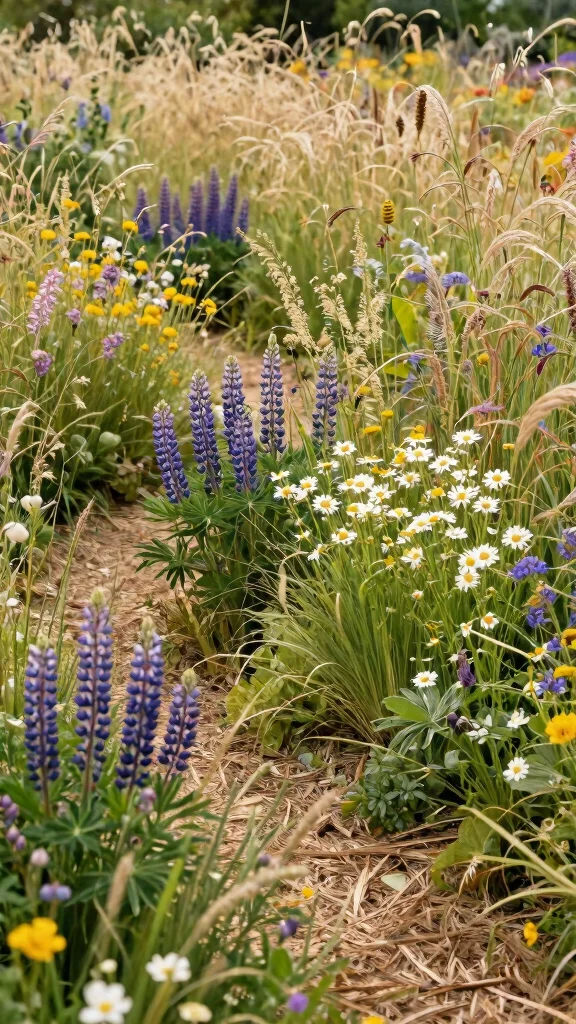
Do you dream of a relaxed garden that feels like a natural retreat? A meadow-style garden captures that wild beauty, allowing wildflower seeds to scatter and grow freely. Mix grasses with wildflowers to create a soft, breezy landscape that dances in the wind, inviting a sense of peace.To create this inviting style:
– Combine annuals and perennials for continuous blooms.
– Let some areas grow wild while keeping paths clear for structure.
– Embrace the natural, ‘messy’ look to attract wildlife.
This design promotes biodiversity and requires minimal watering once established, making it an eco-friendly choice that enhances both your garden and the local ecosystem.
Recommended Products

Watering Station for Year-Round Decor: Spring: Before early blooms arrive, our bee feeder fills the color gap. Emerging pollinators start mapping your garden as a reliable water source; Summer: Pollinator activity peaks, garden is lively and extraordinary; Autumn: The metal flower cup fill visual gaps; For pollinators completing their breeding cycle and building winter reserves, these cups become a dependable water stations; Winter: the resident birds occasionally perch on the rim for a drink; Pollinator feeders add charm and vitality to your garden throughout the year.
NOTE SIZE: this small and shallow dish is 4.9" x 5.5" x 0.7", small and shallow size only for Gecko,Baby Bearded Dragon,and small lizards food and water feeding.Not for Audult bearded dragon, not for audult lizards.

Ceramic Bee Bath for Pollinators:This ceramic bee watering station works as a small pollinator watering station, butterfly feeder cup, and decorative garden accent for bees, butterflies, and other garden visitors.
Implement a Meadow Style
Editor’s Choice

Garden Tools Set, 3 Pack Heavy Duty Gardening Tools Set Include Garden S…

Northeast Wildflower Seeds – Extra Large 1 Ounce Packet – Over 7,500 Nat…
Back to the Roots 100% Organic Mulch, 58 Quart, Expanding Coconut Husk B…
4. Create a Show-Stopping Border
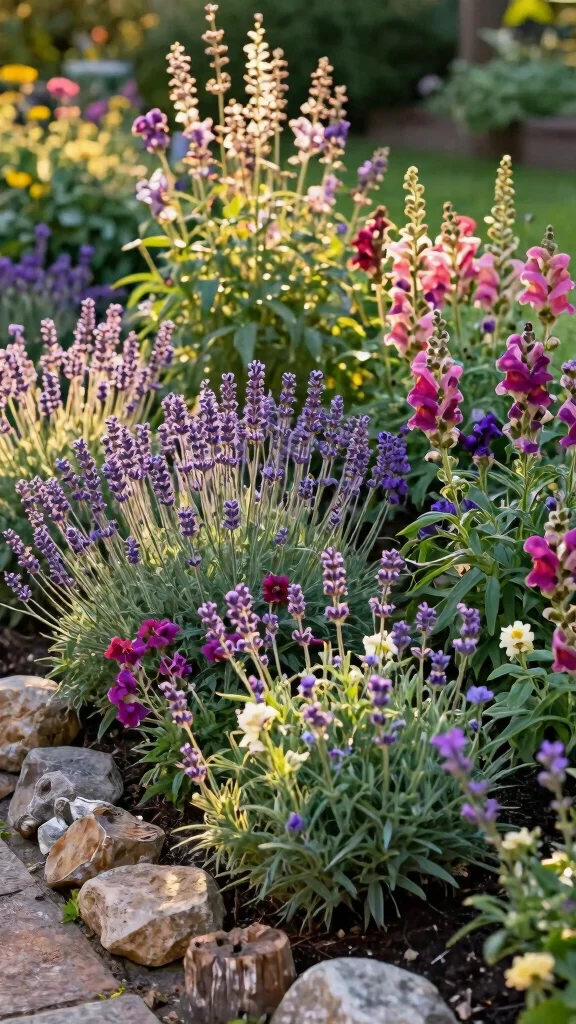
Looking to add depth and definition to your landscaping? Using wildflowers to create striking borders can transform your garden’s appearance. Incorporate plants like lavender, salvia, and snapdragons along pathways or property edges for a vibrant display that also acts as a natural weed barrier.To design a captivating border:
– Place taller plants at the back and shorter ones in front for dimension.
– Mix different species for a lively, flourishing look.
– Include decorative stones or logs for added texture.
A wildflower border becomes a stunning focal point that not only beautifies your garden but also remains easy to care for.
Recommended Products

PREMIUM ANNUAL WILDFLOWER MIX: 21 varieties including Bachelor Button, California Poppy, and Black Eyed Susan; Over 110,600 NON-GMO seeds in bulk; Perfect for creating meadows, butterfly gardens, and cottage-style beds; Attracts pollinators

Create a Show-Stopping Border
Editor’s Choice
![200,000+ Wildflower Seeds [4oz] 16 Variety Perennial Mix - Heirloom Seed...](https://m.media-amazon.com/images/I/81tsPu8J2NL._AC_UL320_.jpg)
200,000+ Wildflower Seeds [4oz] 16 Variety Perennial Mix – Heirloom Seed…
![Landscape Edging 33FT,Garden Edging Borders [Extra Tall 4IN High] Flexib...](https://m.media-amazon.com/images/I/61g6PosFAJL._AC_UL320_.jpg)
Landscape Edging 33FT,Garden Edging Borders [Extra Tall 4IN High] Flexib…

Back to the Roots 25.7qt (1 Cubic ft) Organic Premium Mulch
5. Go for Ground Covers
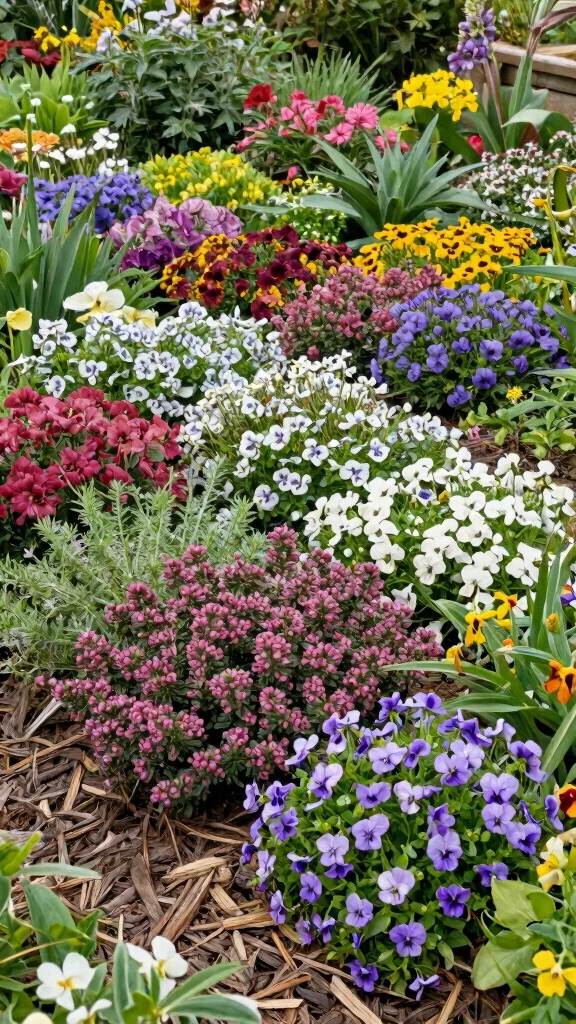
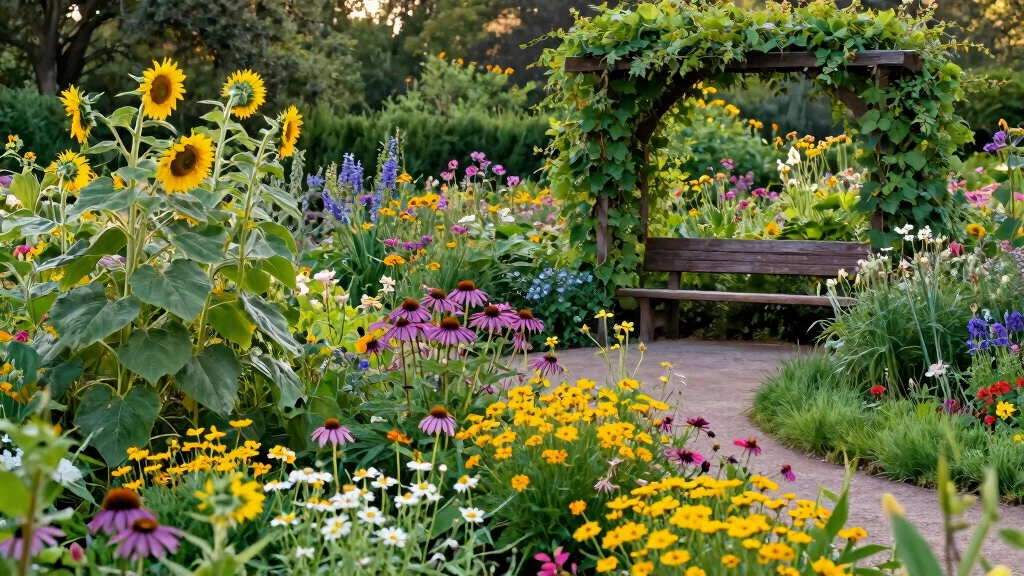
Ground covers are a fantastic solution in wildflower gardening, filling empty spaces while keeping weeds at bay and preventing soil erosion. Varieties like creeping thyme, clover, or wild violets not only enhance visual appeal but are also low-maintenance once established.To maximize their impact:
– Plant ground covers between larger perennials for a fuller effect.
– Select types that bloom at different times for year-round color.
– Choose plants that thrive in both sunny and shady locations.
Ground covers add lush greenery and vibrant blooms, turning bare patches into a lively tapestry of life.
Fun fact: Ground covers like creeping thyme and clover can cut soil erosion by up to 60% once established. This is perfect for wild flower garden landscaping, slashing weed growth by about 50% and keeping the beds inviting for pollinators.
Recommended Products

Celebrate native plant gardening and pollinator habitat with this “Less Lawn, More Life” design. Inspired by replacing traditional turf grass with native plants, wildflowers, and pollinator-friendly landscapes that support biodiversity, soil health, and lo

You might also like
Go for Ground Covers
Editor’s Choice

Tri-Clover by Eretz – Three Part Blend of Clovers Providing Beauty, Cove…

300+ Perennial Sweet Violet Flower Seeds for Planting Outdoors Non-GMO H…

20000+Creeping Thyme Seeds for Planting Outdoor-Heirloom Thymus Serpyllu…
6. Integrate Hardscapes for Interest
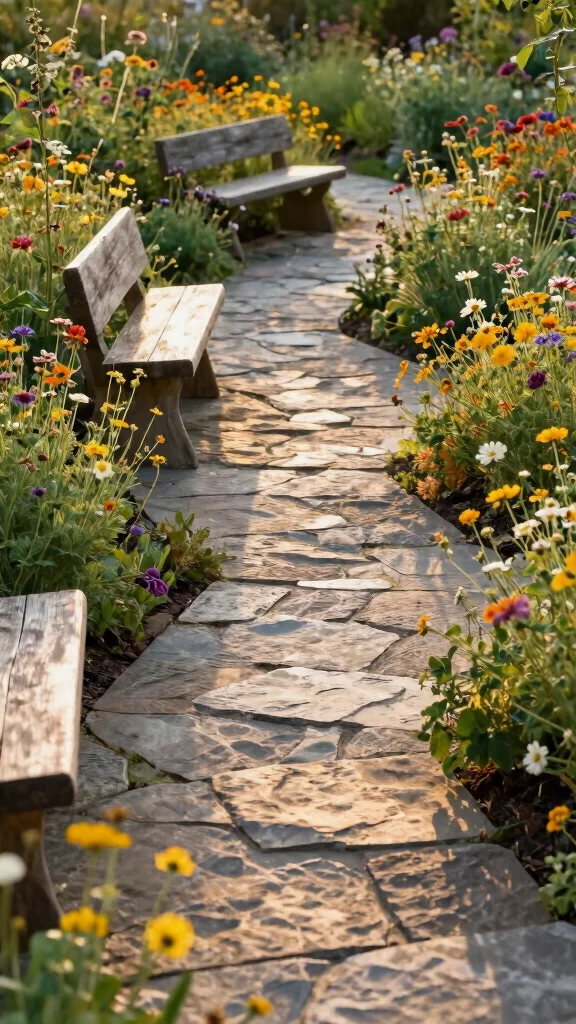
Want to elevate your wildflower garden’s charm? Incorporating hardscapes such as stones, pathways, and seating areas can enhance its beauty while keeping maintenance low. Natural stone paths or decorative gravel create defined spaces without overshadowing the wildflowers’ beauty.Consider these tips:
– Use natural materials to maintain an organic look.
– Create cozy gathering spots with benches or boulders.
– Use stones to outline different planting areas.
Hardscapes not only provide structure and functionality but also add visual interest, beautifully complementing your flowering plants.
Recommended Products

MONARCH BUTTERFLY HABITAT: Common milkweed (Asclepias syriaca) is a host plant for monarch butterfly larvae. Planting this native wildflower helps support monarch populations by providing a food source for caterpillars. Suitable for USDA Zones 3–9.

HIGH GERMINATION RATE: Start a thriving pollinator garden with over 100 premium, heirloom, non-GMO Butterfly Milkweed seeds. Carefully selected for exceptional germination, these seeds promise stunning orange blooms that attract monarch butterflies, bees, and other essential pollinators. Germination occurs within 7-14 days under ideal conditions.

🌿 Milkweed Seeds for Monarch Butterflies – Pollinator Mix: Includes butterfly milkweed, common milkweed, swamp milkweed, and more nectar-rich flowers to support monarch butterflies and create a thriving pollinator garden.
📹 Related Video: How to start a wildflower garden 💐 Advice from a landscape designer
Integrate Hardscapes for Interest
Editor’s Choice

Arcadia Garden Products Set of 4, 16×17” Dark Gray Stepping Stone Fibe…

Virekm Landscaping Pebbles, River Rocks Decorative Ornamental Pebbles Ga…

Psilvam 2-Person Outdoor Bench with 700 Lbs Weight Capacity, Poly Lumber…
7. Add Vertical Elements
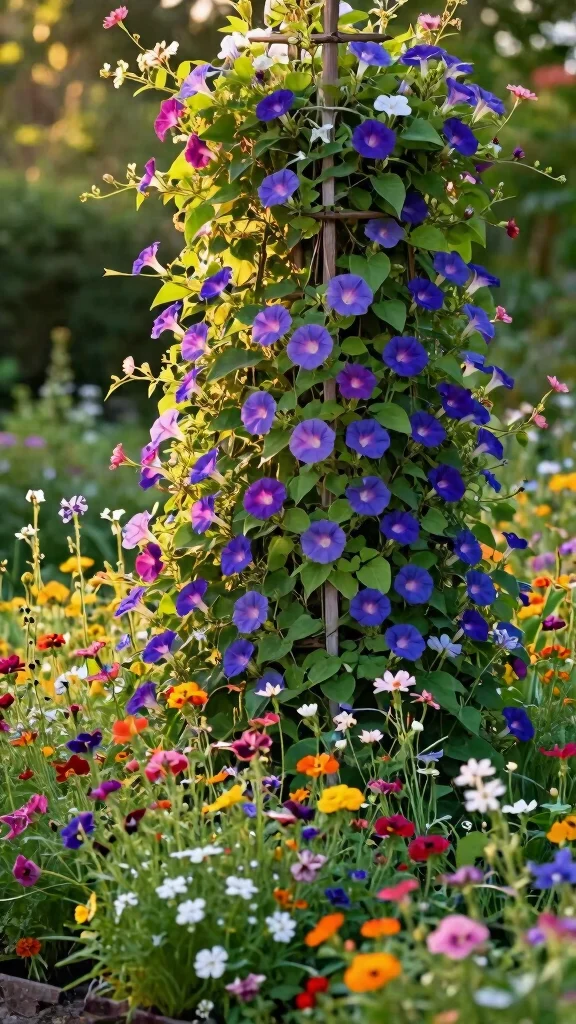
Maximize your gardening space by adding vertical elements like trellises or fences adorned with climbing plants. Vines such as morning glory, clematis, or climbing roses can thrive alongside wildflowers, creating a lush and vibrant backdrop.Incorporate vertical features by:
– Using trellises as focal points to draw the eye upward.
– Planting wildflowers at the base for layered interest.
– Providing shade in parts of your garden to attract pollinators.
Vertical elements enrich your garden layout and create unique habitats for various creatures, enhancing biodiversity.
Add Vertical Elements
Editor’s Choice

Natural Bamboo Trellis, 4Feet,3Pack,Fan-Shaped Plant Support Trellis for…

Tcamp Heavy-Duty Polyester Garden Trellis Netting Plant Climbing Net for…
8. Embrace Seasonal Blooms
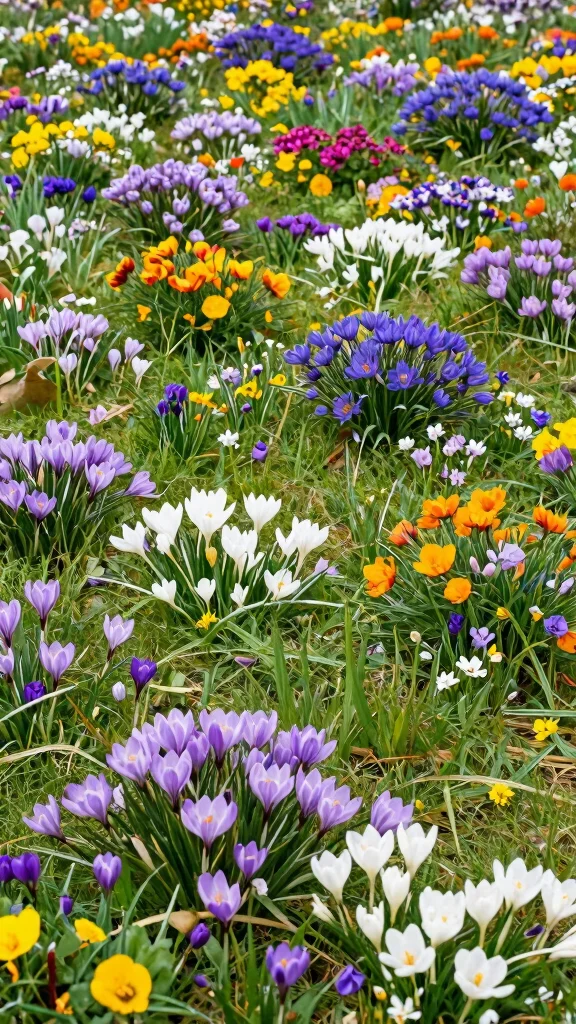
Want your wildflower garden to be a year-round attraction? Select a variety of plants with staggered bloom times to ensure continuous color and life from early spring to late fall. This way, your garden always feels fresh and alive.To achieve seasonal blooms:
– Research bloom calendars to choose perennials that thrive in different seasons.
– Include early bloomers like crocuses and late bloomers like asters.
– Pair plants with similar sunlight and water needs for harmony.
A garden featuring seasonal blooms captivates the eye and supports local wildlife, creating a thriving ecosystem.
Fun fact: A well-planned wild flower garden landscaping can deliver color from early spring to late fall with just 6-8 well-chosen perennials. Mix crocuses for early sparkle, asters for autumn. Keep bloom calendars handy to stagger color and attract pollinators year-round.
Recommended Products

Ceramic Bee Bath for Pollinators:This ceramic bee watering station works as a small pollinator watering station, butterfly feeder cup, and decorative garden accent for bees, butterflies, and other garden visitors.

Ceramic Bee Bath for Pollinators:This ceramic bee watering station works as a small pollinator watering station, butterfly feeder cup, and decorative garden accent for bees, butterflies, and other garden visitors.

Repti Rock Food Dish
You Might Also Like
Ongoing Maintenance & Care Guide
Maintaining a wildflower garden is rewarding and can be quite simple with a planned approach. Here’s your practical guide to keeping your wildflower garden thriving all season long.
Maintenance Schedule:
Daily/Weekly Tasks:
– Watering: Check if your flowers need watering, especially in dry spells. Most wildflowers are drought-resistant, but young plants need consistent moisture. ⏱ 10-15 minutes.
– Weeding: Spend a few minutes removing any weeds that compete with your wildflowers. Weeds can take over quickly if left unchecked. ⏱ 15-20 minutes.
– Pest Inspection: Look for signs of pests or damage. Catching issues early makes management easier. ⏱ 5-10 minutes.
Monthly/Seasonal Tasks:
– Mulching: Apply a fresh layer of organic mulch to keep moisture locked in and suppress weeds. Aim for a 2-3 inch layer. ⏱ 30-60 minutes.
– Deadheading: Remove spent flowers to encourage more blooms and keep your garden looking tidy. ⏱ 20-30 minutes.
– Fertilizing: Use a slow-release organic fertilizer in early spring to boost growth. Follow the package instructions for the right amount. ⏱ 15-20 minutes.
– Cut Back Perennials: At the end of the blooming season, trim back any faded perennial flowers to promote healthy regrowth next year. ⏱ 30-45 minutes.
Maintenance Summary Table:
| Task | Frequency | Difficulty | Time Needed |
|————————|——————|———————|——————|
| Watering | Daily/Weekly | Easy | 10-15 minutes |
| Weeding | Daily/Weekly | Easy | 15-20 minutes |
| Pest Inspection | Daily/Weekly | Easy | 5-10 minutes |
| Mulching | Monthly | Moderate | 30-60 minutes |
| Deadheading | Monthly | Easy | 20-30 minutes |
| Fertilizing | Monthly | Easy | 15-20 minutes |
| Cut Back Perennials | Seasonal | Moderate | 30-45 minutes |
Common Issues to Watch For:
⚠️ Yellowing Leaves: This may indicate overwatering or nutrient deficiency. Check soil moisture and consider fertilizing.
⚠️ Wilting Flowers: A sign of underwatering or root issues. Ensure your plants are getting enough water, especially in drought conditions.
⚠️ Pest Damage: Look for holes in leaves or sticky substances on plants. Use organic pest control methods if you notice any infestations.
⚠️ Mold or Mildew: Fungal issues can occur in humid conditions. Improve air circulation around plants and avoid overhead watering.
⚠️ Slow Growth: This can mean your plants need more nutrients or sunlight. Check their conditions and adjust accordingly.
Care Tips:
💡 Choose Native Plants: Native wildflowers thrive in your local climate and require less water and maintenance compared to non-natives.
💡 Group Similar Plants: Planting flowers with similar water and sun requirements together helps manage care more effectively.
💡 Use Organic Practices: Stick to natural fertilizers and pest control methods. This promotes a healthy ecosystem and helps attract beneficial insects.
💡 Observe Seasonal Changes: As seasons shift, some wildflowers will die back. Embrace this by planning for seasonal blooms that provide year-round interest.
💡 Create a Care Journal: Keep track of what works and what doesn’t. This will help you adjust your care schedule and improve your garden’s health over time.
Following this guide will help you maintain a stunning wildflower garden that supports pollinators and delights the senses, all while being low maintenance. Happy gardening!
Recommended Products

Pollinator Magnet: Scarlet sage salvia seeds burst into spikes that draw hummingbirds and bees. Ideal wildflower seeds for pollinator seed mix borders in USDA zones 2–12 and sunny beds.


Embrace Seasonal Blooms
Editor’s Choice
Wildflower Seeds Bulk Mix – 10,000+ Perennial & Annual Seeds – Texas, Ca…
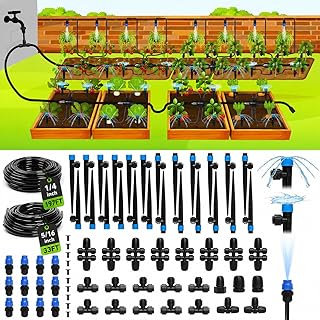
Bonviee Drip Irrigation System 230FT – Quick Connect Garden Watering K…
9. Create a Wildflower Sanctuary
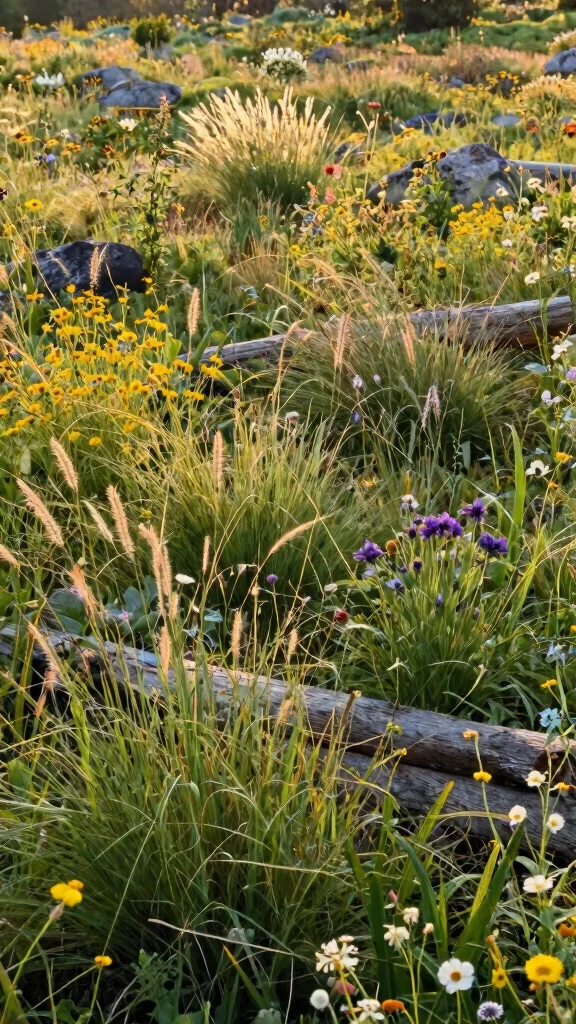
Consider setting aside a portion of your garden as a wildflower sanctuary. This space allows for natural growth, fostering an environment for wildlife and native plants. It requires minimal maintenance while promoting biodiversity, which is vital for environmental health.To create your sanctuary:
– Allow some plants to go to seed for birds and pollinators.
– Limit your interference to maintain a more organic look.
– Incorporate simple features like logs or stones to provide wildlife habitats.
Creating a wildflower sanctuary transforms part of your garden into a mini-ecosystem, supporting local insects, birds, and overall garden health.
Create a Wildflower Sanctuary
Editor’s Choice
Wildflower Seeds Bulk Mix – 10,000+ Perennial & Annual Seeds – Texas, Ca…

Natural Habitats and Wildlife Gardening: Inviting Nature into Your Backyard
Conclusion
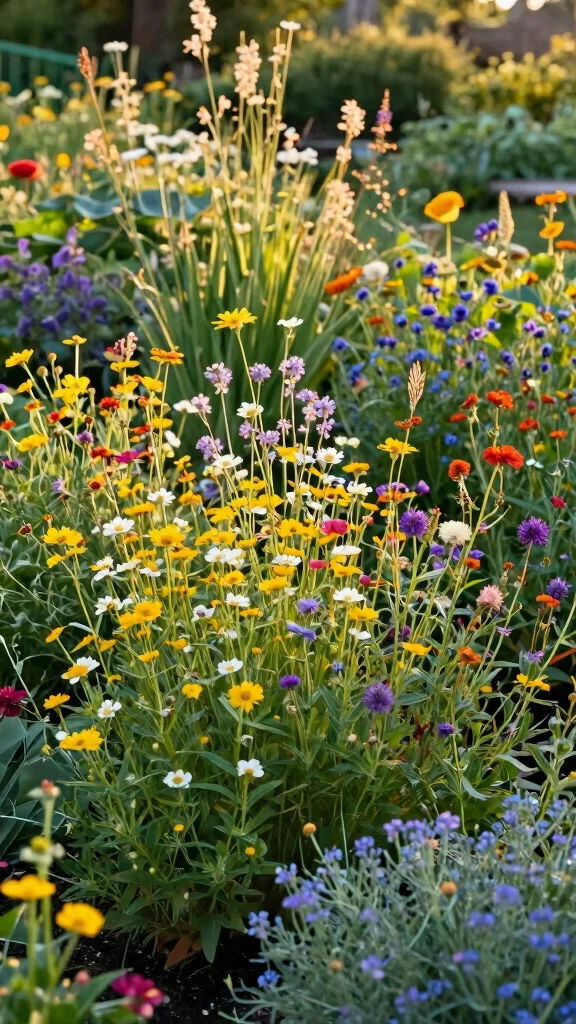
Cultivating a wildflower garden gives you the chance to create a stunning, low-maintenance oasis that benefits both you and local wildlife. By implementing these ideas, you can transform your outdoor space into a colorful landscape that blooms with life all year long. So why not take the plunge and embrace the beauty of wildflowers in your garden?
You’ll find joy in the simplicity and satisfaction of nurturing a space that thrives naturally!
Note: We aim to provide accurate product links, but some may occasionally expire or become unavailable. If this happens, please search directly on Amazon for the product or a suitable alternative.
This post contains Amazon affiliate links, meaning we may earn a small commission if you purchase through our links, at no extra cost to you.
Frequently Asked Questions
What makes wild flower garden landscaping a great choice for pollinators and low maintenance?
Wild flower garden landscaping centers on native plants and perennial flowers that thrive with minimal fuss. By choosing regionally native species, you attract essential pollinators and reduce watering and replanting needs.
Practical steps include picking a pollinator-friendly seed mix or native plant groupings, grouping by sun and water needs, and mulching to conserve moisture. Aim for a mix of native plants and perennial flowers that bloom at different times so you get seasonal blooms with less effort every year. For low maintenance gardening, let nature do the work: avoid heavy lawn areas, install a drip irrigation line, and replace fussy annuals with hardy perennials where possible.
Which native plants and perennial flowers work best for year-round color in a wild flower garden landscaping plan?
Look for a mix of native plants and perennial flowers that provide early spring, mid-summer, and fall color. In your wild flower garden landscaping plan, aim for a three-layer approach: groundcovers, mid-height perennials, and tall accents. Some reliable options include native grasses for texture, coneflowers, asters, and goldenrod for autumn, and lupine or phlox for spring. Steps: check your sun and soil, choose zone-appropriate species, group by bloom time, and plant in clusters to create bold swaths of color. Pair early bloomers with mid-season natives to ensure continuous nectar for pollinators and maintain seasonal blooms throughout the year. Add a few evergreen elements or ornamental grasses for winter resilience.
How can I design this landscape to be eco-friendly and low maintenance?
Start with soil health and water efficiency. For eco-friendly landscaping, prioritize native plants, use low maintenance gardening strategies like mulch and drip irrigation, and reduce fertilizer. Plan zones by sun, water needs, and maintenance level; install rain barrels to capture runoff; create a pollinator-friendly habitat with nectar-rich blooms throughout the season. Avoid pesticides; attract beneficial insects by planting diverse natives; keep mowing to a minimum and allow self-seeding where appropriate.
How do I ensure seasonal blooms in a wild flower garden landscaping plan?
Plan a bloom calendar using a mix of early, mid, and late-season native perennials and grasses. Choose plants with staggered bloom times and include seasonal blooms across the year. A simple approach is to pick three to five plants that lead each season, add seed mixes for spring, mid-summer, and late-season color, and interplant with evergreen foliage or ornamental grasses for winter interest. Maintain soil moisture with mulch, water deeply but infrequently, and deadhead to encourage re-bloom.
What are common mistakes to avoid when starting a pollinator-friendly wildflower garden landscaping?
Avoid monocultures of a single species and neglecting to choose native plants; too much lawn, wrong sun/shade planning, over-watering or under-watering, neglecting soil testing, and not planning for seasonal blooms lead to gaps. Other mistakes include using chemical pesticides, failing to provide nectar across seasons, and not creating habitat corridors. Actionable tips: start with a diverse native mix, map sun exposure, test soil pH, amend as needed, and plan a maintenance schedule that supports easy care and ongoing pollinator visits.
Related Topics
wildflower garden
low maintenance gardening
native plants
perennial flowers
pollinator-friendly
eco-friendly landscaping
seasonal blooms
beginner friendly
easy landscaping
colorful gardens
sustainable gardening
garden design