
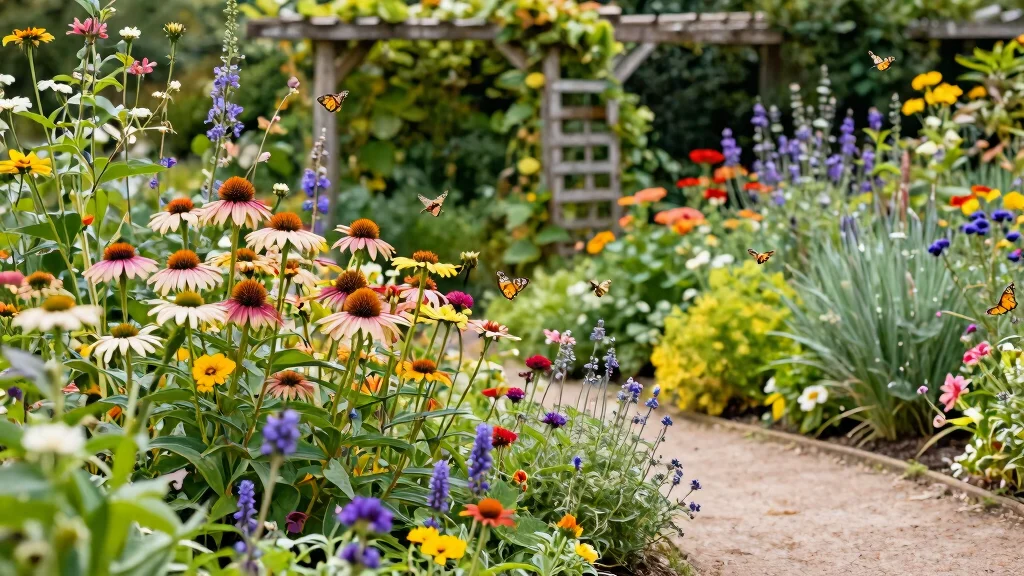
Are you dreaming of a vibrant garden that attracts butterflies and bees while being easy to care for? I’ve been there too, craving a space that combines beauty with sustainability. That’s why I created this post about coneflower landscaping. These hardy, native plants are not just pretty; they’re also drought-tolerant and perfect for supporting local pollinators.
If you love gardening or want to enhance your outdoor space, you’re in the right place. This guide targets both seasoned gardeners and beginners alike, offering practical tips to create stunning landscapes with coneflowers. You’ll discover seven exciting ideas that are native, resilient, and sure to add a splash of color to your yard.
Get ready to explore how you can integrate these lovely flowers into your garden. You’ll gain useful insights that will help you design beautiful perennial borders, create charming cottage gardens, and attract pollinators—all while keeping maintenance low and enjoyment high. Let’s dive into the world of coneflower landscaping and bring your garden dreams to life.
Key Takeaways
– Vibrant Perennial Borders: Use coneflowers to create stunning borders that add color and attract pollinators throughout the growing season.
– Cottage Garden Charm: Combine coneflowers with other native plants for a relaxed, cottage-style garden that feels inviting and natural.
– Pollinator Pathway: Design a pathway filled with coneflowers to support local wildlife and create a beautiful journey through your garden.
– Drought-Tolerant Arrangements: Explore how coneflowers can thrive in dry conditions, making them perfect for low-water gardens.
– Seasonal Interest: Learn how to mix and match coneflowers with other types of plants to ensure your garden looks great from spring to fall.
Recommended Products

High Germination Performance: Echinacea seeds for planting show strong, reliable sprouting in 3–4 weeks when soil stays moist. Ideal garden seeds for USDA zones 4–9 gardens and outdoor flower beds.

Flowers - Purple Coneflower (Echinacea purpurea) produces a cone like center that displays purple colored petals facing downward. The plants will return yearly since they are a perennial flowering plant.

Easy Growing: Echinacea coneflower seeds thrive in various conditions, making them perfect for both novice and experienced gardeners with minimal maintenance requirements
1. Vibrant Perennial Borders
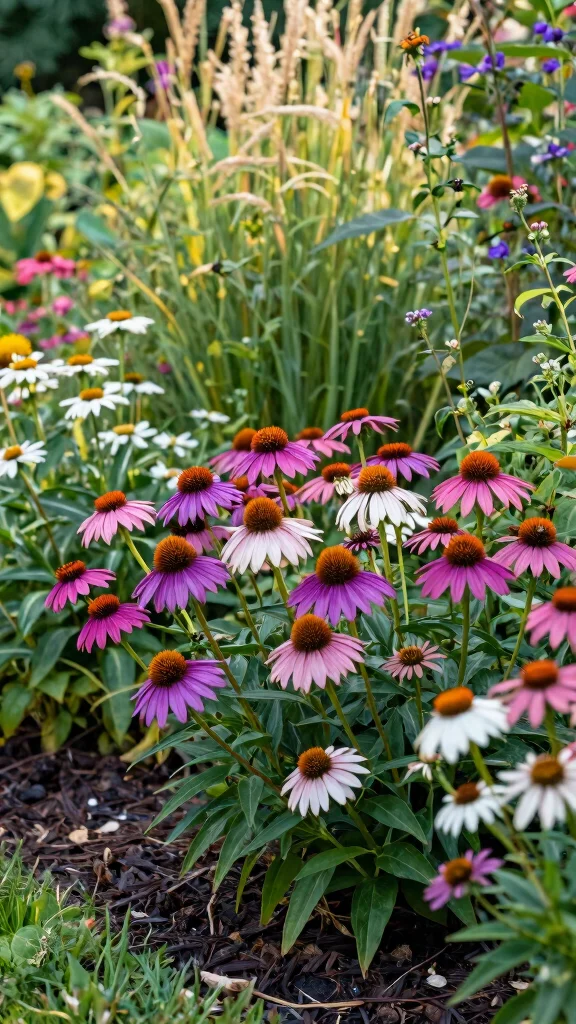
If you’re looking to brighten your garden, a vibrant perennial border featuring coneflowers is a fantastic choice. These hardy blooms come in stunning shades of purple, pink, and white, creating a beautiful contrast when paired with other native plants like black-eyed Susans and asters. Consider mixing different heights and textures in your design to establish a visually appealing layered effect. Taller coneflowers at the back and shorter plants in front will add depth and interest to your border.
Begin by selecting a variety of coneflowers to enhance your garden’s dynamism. Introduce ornamental grasses for added movement and texture. Don’t forget to apply a layer of mulch for moisture retention and weed control.
Key design tips to consider:
– Blend various coneflower types for visual diversity.
– Add grasses for a lively, breezy effect.
– Use mulch to maintain soil moisture and inhibit weeds.
With thoughtful planning, your border will flourish through the seasons and attract beneficial pollinators. Regularly deadheading will promote continuous blooms, keeping your garden vibrant and fresh all summer long.
Recommended Products
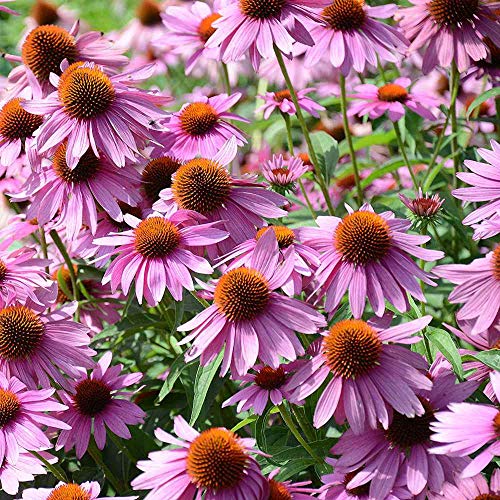
HARDY PERENNIAL FOR ALL CLIMATES: Reaching 24-36 inches in height, our Coneflowers grow easily in USDA Zones 3-9, making it ideal for planting wildflower seeds in gardens or fields. As one of the versatile perennial flowers, it re-emerges each year with minimal care, stabilizing soil with its deep roots and attracting pollinators like bees and butterflies.

NATIVE NORTH AMERICAN NARROW-LEAVED CONEFLOWER SEEDS: Heirloom non-GMO open-pollinated wildflower seeds with high germination rates, traditional medicinal herb, adapted to USDA zones 3-8
HARDY PERENNIAL FOR ALL CLIMATES: Reaching 24-36 inches in height, our Coneflowers grow easily in USDA Zones 3-9, making it ideal for planting wildflower seeds in gardens or fields. As one of the versatile perennial flowers, it re-emerges each year with minimal care, stabilizing soil with its deep roots and attracting pollinators like bees and butterflies.
Vibrant Perennial Borders
Editor’s Choice

5Pcs Succulent Tools,Mini Garden Tools,Pruning Scissors as Plant Accesso…

Back to the Roots 100% Organic Mulch, 58 Quart, Expanding Coconut Husk B…
![200,000+ Wildflower Seeds [4oz] 16 Variety Perennial Mix - Heirloom Seed...](https://m.media-amazon.com/images/I/81tsPu8J2NL._AC_UL320_.jpg)
200,000+ Wildflower Seeds [4oz] 16 Variety Perennial Mix – Heirloom Seed…
2. Cottage Garden Charm
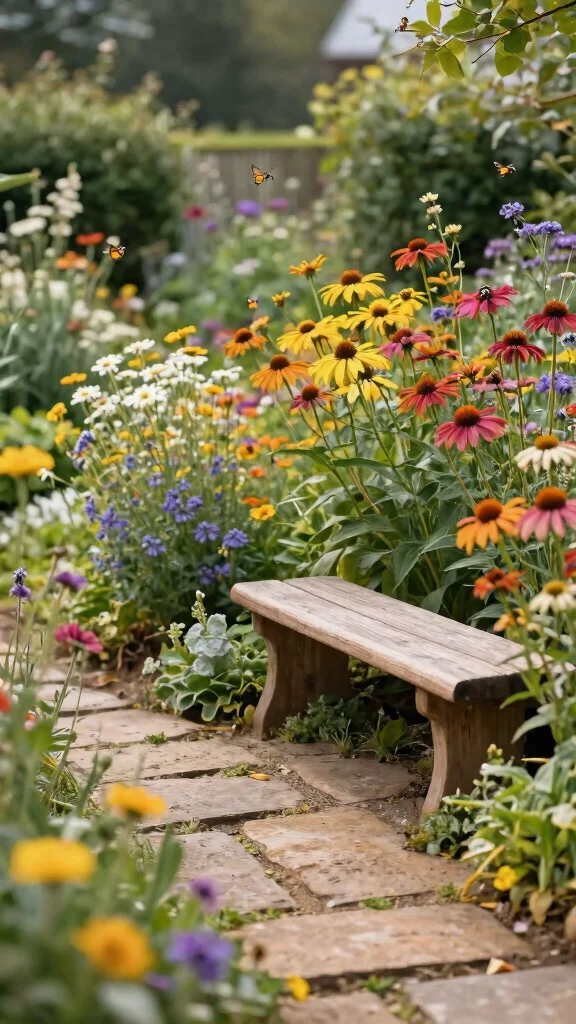
Capture the enchanting essence of a cottage garden by incorporating coneflowers into a delightful mix of native plants and wildflowers. This style invites a relaxed and carefree vibe, with flowers spilling over pathways and intertwining harmoniously. Coneflowers are ideal companions for daisies, phlox, and other delicate blooms, enhancing the whimsical atmosphere.
For a more organic look, cluster plants together instead of spacing them out. Introduce charming elements like rustic stones or wooden benches to enhance the cozy ambiance. Allowing some plants to self-seed will create a natural and spontaneous appearance in your garden.
Essential cottage garden tips:
– Plant in clusters for an authentic, natural feel.
– Incorporate decorative features like garden stones for charm.
– Allow for self-seeding plants to maintain an organic look.
This approach not only beautifies your space but also supports local wildlife. The playful mix of colors and textures will create a stunning visual impact, turning your garden into a serene retreat for both you and pollinators.
📹 Related Video: Cottage Garden Design Masterclass – Structure
Cottage Garden Charm
Editor’s Choice

KVR Upgraded Garden Kneeler and Seat with Thicken & Widen Soft Kneeling …

Wells Lamont Gardening Gloves for Women – Breathable Polyester, Seamle…

Grenebo Gardening Tools 9-Piece Heavy Duty Garden Hand Tools with Fashio…
3. Pollinator Pathway
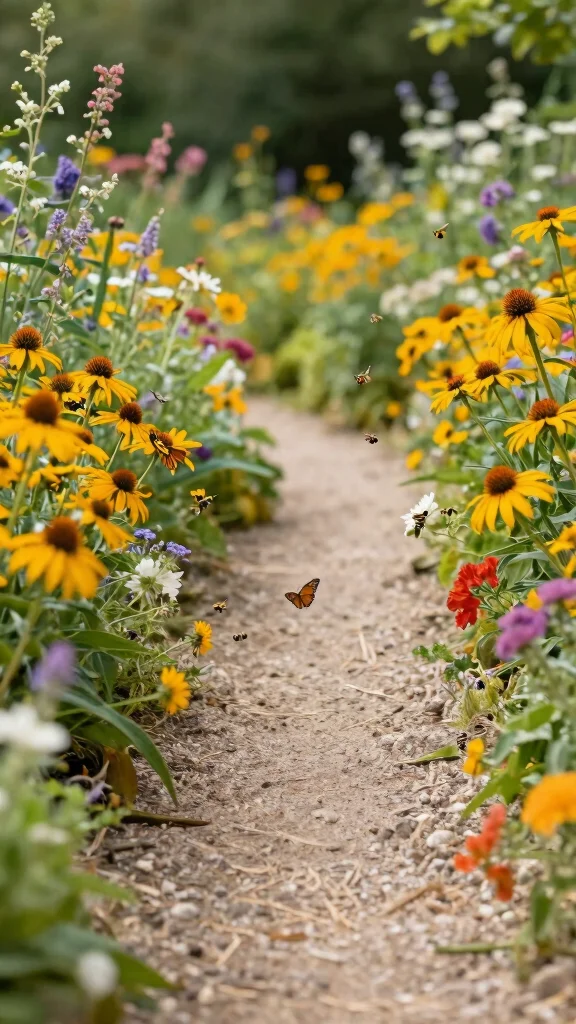
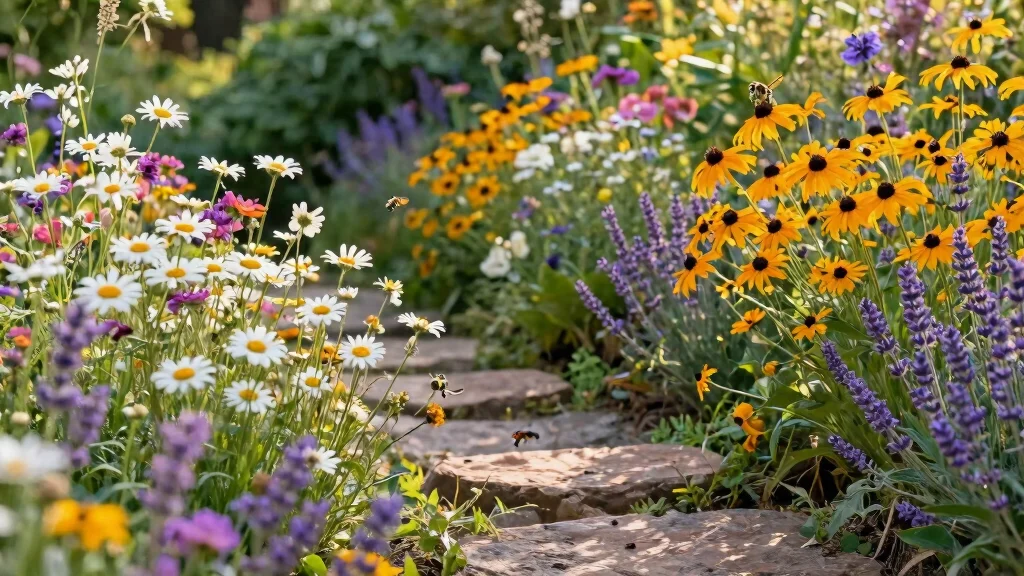
Transform your walkway into a vibrant pollinator pathway by lining it with coneflowers and other native plants that attract bees and butterflies. This design not only enhances your outdoor space’s beauty but also provides essential resources for pollinators. Choose a range of flowering plants that bloom at different times, ensuring a continuous food supply from spring through fall.
Consider alternating coneflowers with other native flowers that are favored by specific pollinators. Adding low-growing herbs can enhance fragrance and attract more wildlife. For a natural look, use gravel or mulch as pathway materials to seamlessly blend with the garden.
Key ideas for your pathway:
– Alternate coneflowers with other native blooms to attract diverse pollinators.
– Add fragrant herbs for extra attraction.
– Utilize natural materials like gravel to enhance the landscape.
By dedicating a space for pollinators, you’re not only beautifying your garden but also supporting vital ecosystems and contributing to biodiversity.
Fun fact: A 10-foot stretch of coneflowers can attract 30–40 pollinators daily at peak bloom. Pair them with native blooms to turn any walkway into a thriving pollinator pathway.
Recommended Products

For best results, plant in USDA Zone:3-8 - Mature size: 36-42in H x 18-24in W

Beautiful - Full color packet of Echinacea (Echinacea purpurea) flowers, which makes a wonderful herbal tea for you or a friend that is a gourmet cook/gardener. Echinacea is recognizable as the beautiful purple coneflower. Minimum of 750 mg per packet (about 300 seeds).

🌼 Dwarf Red Prairie Coneflower offers striking red, drooping petals with a bold raised cone that brings warm prairie character and dependable summer color to borders, meadows, and native-inspired plantings. Its compact form and drought-tolerant nature make it a reliable choice for gardeners seeking long-lasting visual interest with minimal upkeep.
Pollinator Pathway
Editor’s Choice


Fox Farm Big Bloom Liquid Plant Food – Organic Bloom Fertilizer for Flow…
4. Drought-Tolerant Arrangements
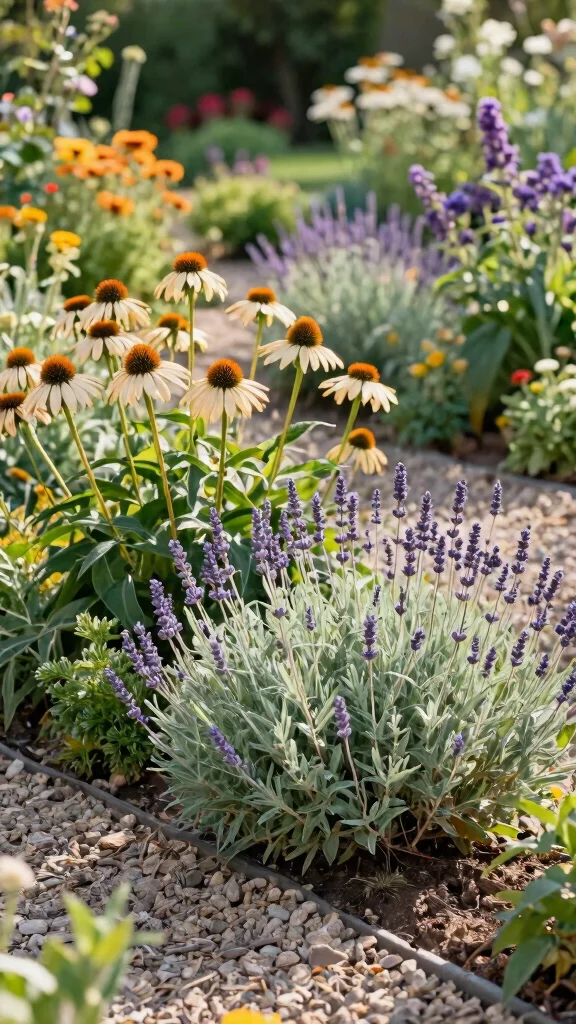
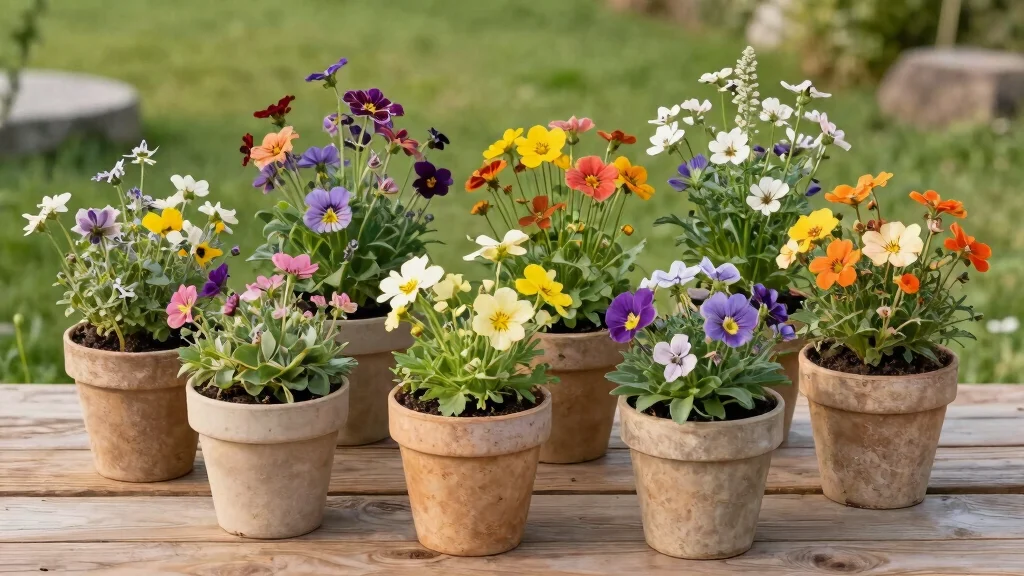
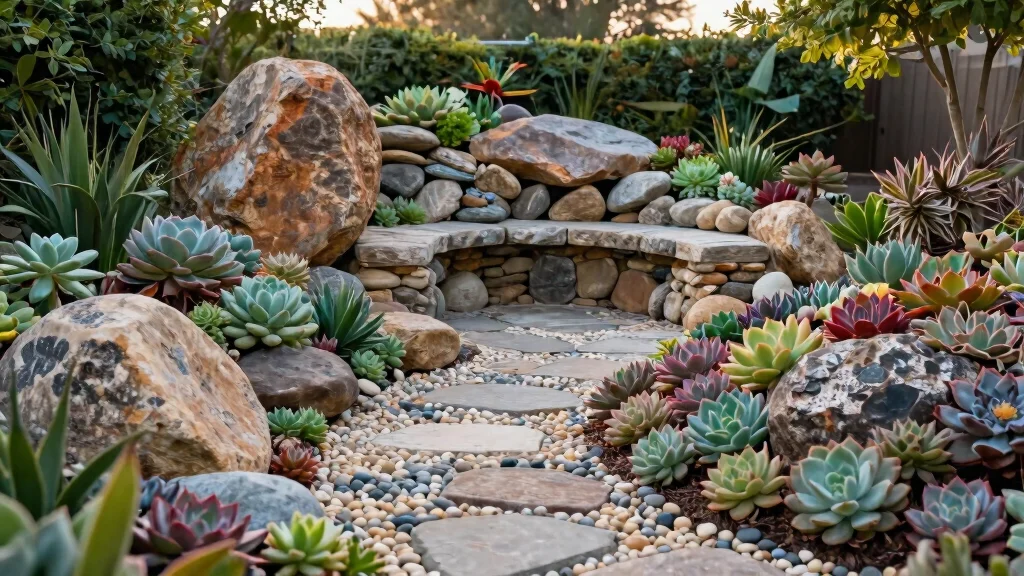
Coneflowers are not only stunning but also drought-tolerant, making them perfect for water-wise gardening. Create eye-catching arrangements with coneflowers combined with other drought-resistant natives like sedums and lavenders. This combination conserves water while attracting various pollinators, making your garden both beautiful and eco-friendly.
Group drought-tolerant plants together to streamline watering efforts. Incorporate decorative stones or gravel around the plants to help retain heat and moisture. Consider using deeper soil beds to support robust root growth and enhance drought resilience.
Essential tips for drought gardening:
– Group similar plants for efficient watering.
– Use stones to retain moisture and warmth.
– Create deeper soil beds to foster healthy roots.
This garden design can flourish even under challenging conditions, showcasing vibrant colors and life. By emphasizing sustainable practices, you contribute positively to the environment while enjoying a stunning landscape.
Recommended Products

PALE PURPLE BLOOMS - Pale Purple Coneflower (Echinacea pallida) grows graceful drooping petals around spiky centers, adding native beauty to medicinal herb gardens and wildflower beds

More attractive to pollinators: The stamens of Echinacea are large and three-dimensional, suitable for bees and butterflies to stay. The nectar has high sugar content and a long flowering period, which is popular with pollinators and adds diversity to the garden

COLORFUL ANNUAL & PERENNIAL FLOWERS – Includes annuals Zinnia and Marigold plus perennials Coneflower, Daisy, and Hollyhock for lasting garden beauty
You might also like
Drought-Tolerant Arrangements
Editor’s Choice

XLUX Long Probe Deep Use Soil Moisture Meter, Water Monitor Indicator Se…


SOUTHWEST BOULDER & STONE Landscape Rock and Pebble | 20 Pounds | Natura…
5. Naturalized Landscapes
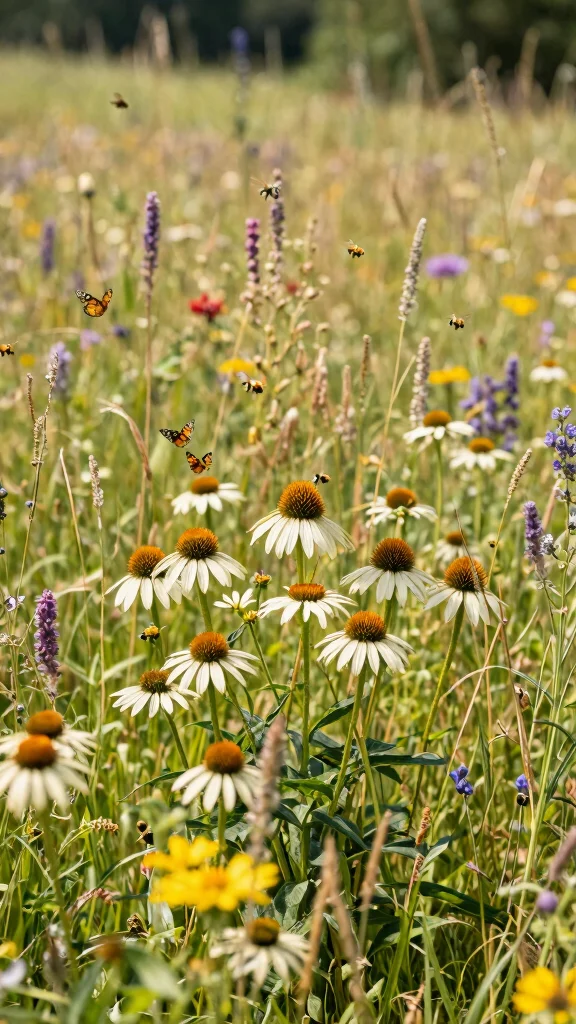
Crafting a naturalized landscape with coneflowers can transform your yard into a picturesque meadow that emulates nature. This approach allows plants to grow freely, fostering a dynamic and diverse environment. By mixing coneflowers with native grasses and wildflowers, you promote a thriving ecosystem while minimizing maintenance efforts.
Select plants that suit your local climate and soil conditions for the best results. Implementing a no-mow policy in certain areas can encourage wildflower growth and contribute to biodiversity. Creating small patches of wildflowers and grasses enhances the overall ecosystem.
Strategies for naturalization:
– Choose plants that thrive in your local climate.
– Adopt a no-mow policy to boost wildflower growth.
– Create patches of wildflowers to enhance biodiversity.
This design will not only beautify your property but will also create a habitat for local wildlife, benefiting both you and the environment.
❝ Naturalized coneflower landscaping lets your yard feel like a meadow—beautiful, free, and easy to maintain. Mix native grasses and wildflowers, then embrace a no-mow zone to invite pollinators and a thriving ecosystem. Practical, pretty, and climate-ready.
Naturalized Landscapes
Editor’s Choice

Native Wildflower Seeds for Planting 24 Variety Pack – Perennial & Ann…
Back to the Roots 100% Organic Mulch, 58 Quart, Expanding Coconut Husk B…
6. Container Gardening for Small Spaces
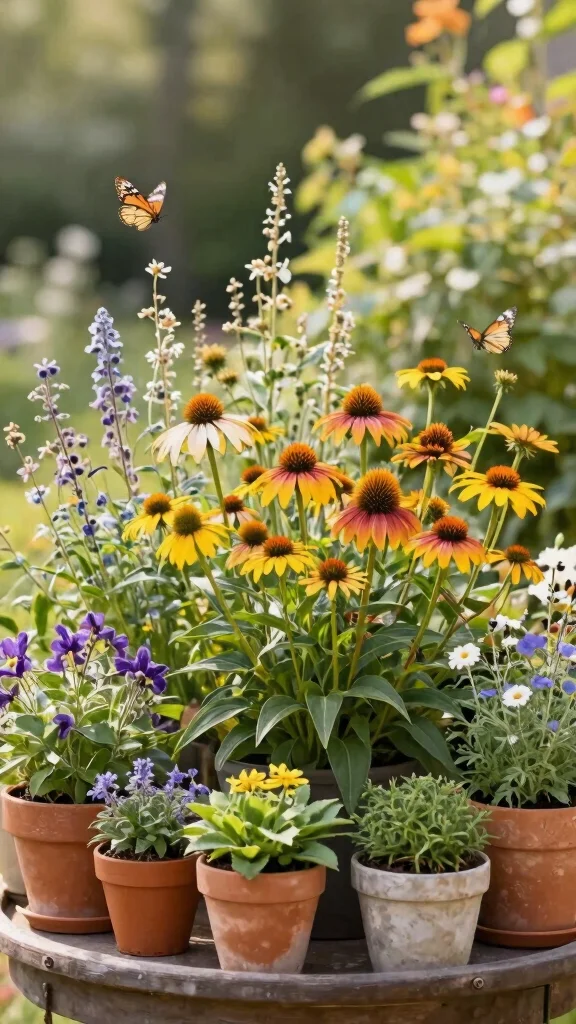
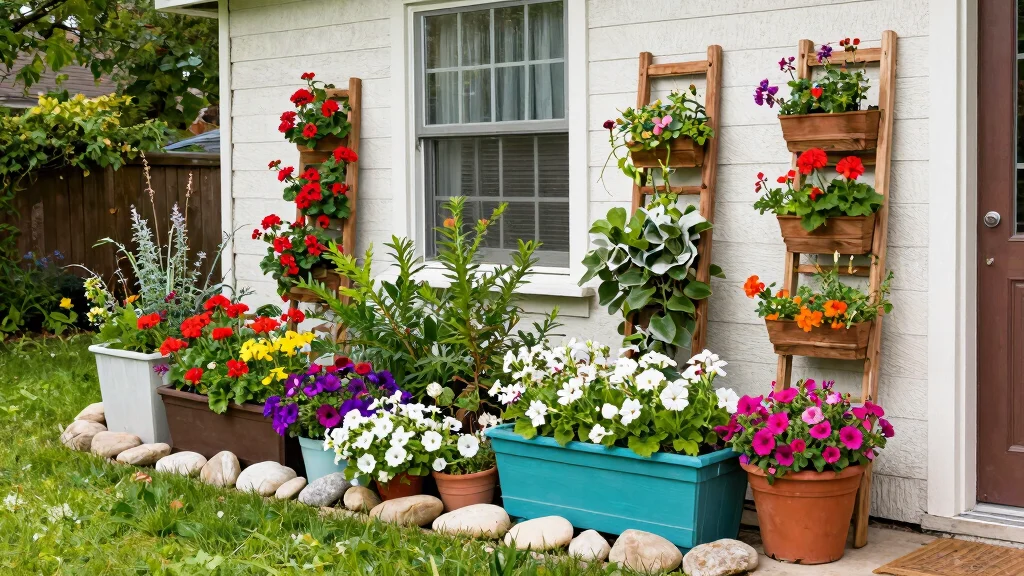
If space is limited, container gardening offers a fantastic solution for showcasing coneflowers. Use large pots filled with native plants to create vibrant focal points on patios or balconies. This method allows for creative designs and simplifies watering and maintenance tasks.
Select containers that complement your home’s aesthetic, ensuring they have proper drainage to keep coneflowers thriving. Mixing plants with varying heights and colors adds visual interest and charm to your container garden.
Container gardening tips to remember:
– Choose pots that match your home’s style.
– Ensure good drainage for healthy coneflowers.
– Mix plants with different heights for a dynamic display.
With careful selection, your container garden can become a vibrant sanctuary for pollinators while remaining easily manageable. Regular watering and fertilizing will ensure that your potted coneflowers bloom beautifully throughout the growing season.
Recommended Products
HARDY PERENNIAL FOR ALL CLIMATES: Reaching 24-36 inches in height, our Coneflowers grow easily in USDA Zones 3-9, making it ideal for planting wildflower seeds in gardens or fields. As one of the versatile perennial flowers, it re-emerges each year with minimal care, stabilizing soil with its deep roots and attracting pollinators like bees and butterflies.

PLEASE DO NOT ORDER IF YOU LIVE IN ONE OF THESE USDA RESTRICTED STATES: AK, AZ, CA, CO, ID, MT, NV, OR, UT, WA AND HI. Hardy in USDA zones 3-9.

Seasonal Condition & Shipping Information: When received, the plant will be in seasonal condition with appropriate foliage. If shipped between November 1st and March 1st, the plant may be dormant and trimmed. Plant is fully rooted in the pot ready for immediate planting. Hardy in USDA zones 5-10.
You Might Also Like
Container Gardening for Small Spaces
Editor’s Choice

Meowell 8/7/6 inch Plant Pots, 3 Set Cylinder Flower Pots for Outdoor In…

Miracle-Gro Organic Outdoor Potting Mix – Plant Soil for Outdoor Contain…

RAINPOINT Large Display Automatic Plant Waterer Indoor for Pot Plant,Cyc…
7. Seasonal Interest
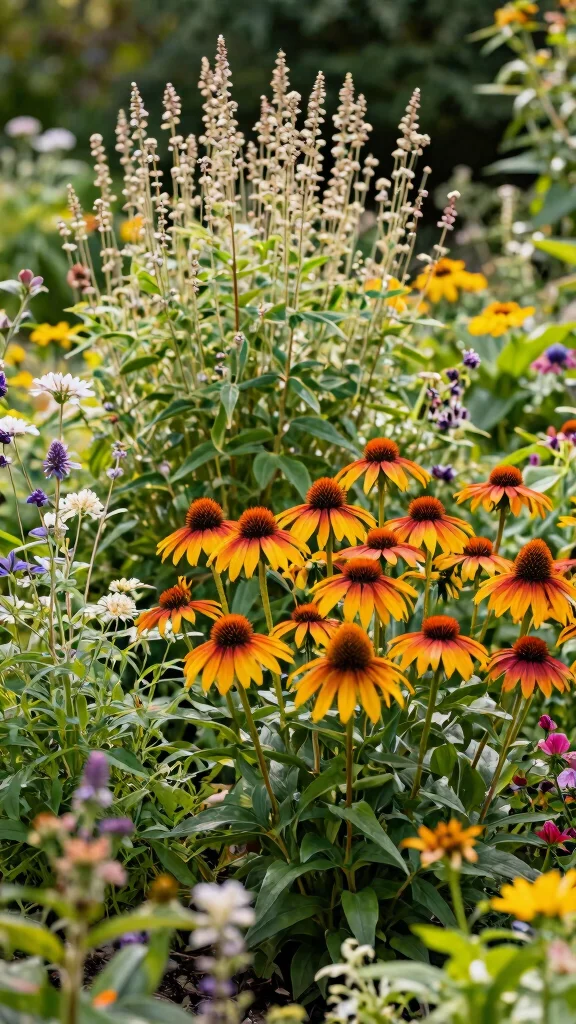
Including coneflowers in your landscape offers beauty not just in summer but also provides seasonal interest all year round. After blooming, the seed heads create food sources for birds in the fall and add texture to your winter garden. Pairing coneflowers with plants that have varied blooming seasons ensures your garden stays engaging throughout the year.
Combine early-blooming plants with late-blooming coneflowers for a staggered display of colors. Introducing winter-interest plants like ornamental grasses will enhance the dried coneflower heads. Consider adding fall-blooming asters or goldenrods for continuous color through the seasons.
Ideas for seasonal planting:
– Mix early-blooming plants with late-blooming coneflowers for a layered look.
– Use ornamental grasses to complement coneflower seed heads.
– Add fall-blooming plants for ongoing color.
By carefully selecting companion plants, you can create a stunning tapestry of colors and textures that evolves with the seasons, making your garden a welcoming space all year long.
Fun fact: Coneflowers deliver year-round beauty—seed heads feed birds in fall and add winter texture. Pair early bloomers with late coneflowers for a three-season display, keeping your coneflower landscaping vibrant from spring through winter.
Recommended Products

☀️ Clasping Coneflower: Direct sow in late fall, planting the Purple Coneflower (Echinacea purpurea) seeds 1/4" deep and lightly compacting the soil. For spring planting, mix the seed with moist sand and store it in the refrigerator for 90 days before direct sowing; keep the soil consistently moist until germination.

NATIVE BEAUTY – New England Aster, Smooth Blue Aster, Purple Coneflower, Narrow-Leaved Coneflower, Black-Eyed Susan, Dense Blazing Star (Gayfeather), Bee Balm (Wild Bergamot), Lanceleaf and Plains Coreopsis (Tickseed), Showy, Common, and Swamp Milkweed, Purple Prairie Clover, Joe Pye Weed, Spiderwort, Common, Prairie, and Maximilian Sunflowers, Little Bluestem, Switchgrass, Indian Grass, Blue Vervain, Canada Wild Rye, and White Yarrow.
How To Choose Coneflower Landscaping Arrangements
When planning your garden with coneflowers, it’s key to select the right arrangements that will bring beauty and support local pollinators. Here are some important criteria to consider:
1. Plant Type: Choose the right coneflower species for your region. Echinacea purpurea is a popular choice, but there are many varieties. Research which species are native to your area to ensure they thrive. Native plants require less maintenance and are better for local wildlife.
2. Sunlight Requirements: Coneflowers love the sun! Ensure the placement of your flowers gets at least 6 hours of sunlight daily. If your garden has spots with less sun, consider pairing coneflowers with shade-tolerant plants. This way, you balance beauty and plant health.
3. Soil Quality: Test your soil pH and nutrient levels. Coneflowers thrive in well-draining soil that is rich in organic matter. If your soil is heavy clay or too sandy, consider amending it with compost or peat moss. Healthy soil supports stronger plants and better blooms.
4. Drought Tolerance: Coneflowers are known for being drought-tolerant once established. This makes them perfect for low-water gardens. If you’re in a dry climate, plan your layout to group these plants together. This way, you can create a self-sustaining area that requires less watering.
5. Color Combinations: Think about the color palette for your garden. Coneflowers come in shades of purple, pink, and white. Pair them with other flowers like black-eyed Susans or asters to create vibrant borders. Mixing colors can make your garden more visually appealing.
6. Seasonal Interest: Coneflowers bloom in summer and can last into early fall. To keep your garden looking fresh year-round, add plants that start blooming in early spring and continue through autumn. This layering of blooms will keep your space lively and attractive.
Pro Tip: When in doubt, visit local nurseries or botanical gardens! They can provide insights on the best native plants for your area. Plus, you’ll see firsthand how different arrangements look in real life, which can help inspire your design.
By considering these factors, you’ll create a stunning coneflower landscaping arrangement that not only beautifies your garden but also supports local pollinators. Happy gardening!


Seasonal Interest
Editor’s Choice

Gardening Log Book and Planner: Monthly Garden Planting Journal and Orga…

Seed Dibber Hand Dibber Bulb Planter Tool, Stainless Steel Garden Dibber…

Espoma Organic Flower-Tone 3-4-5 Natural & Organic Plant Food; 4 lb. Bag…
Conclusion
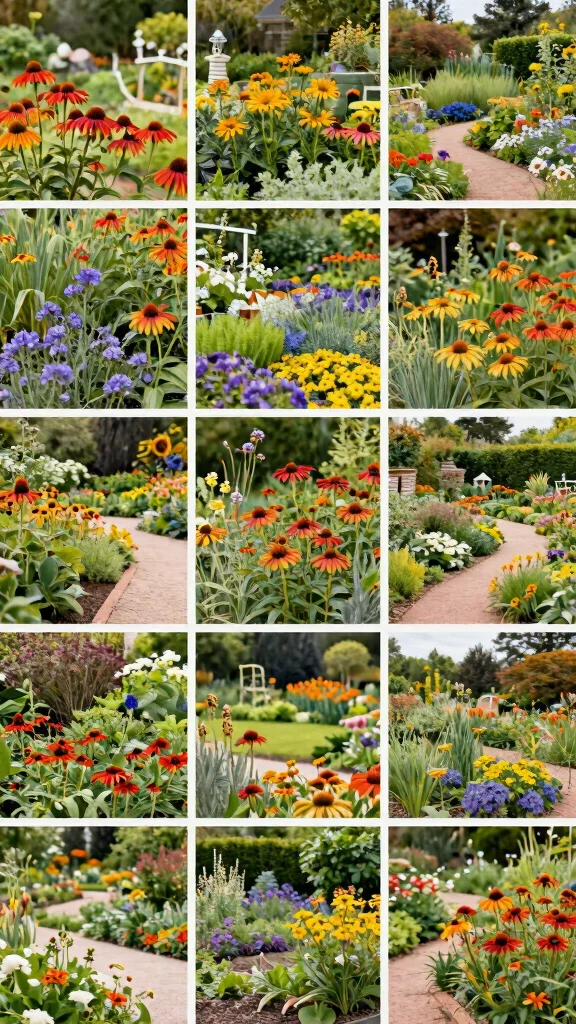
Incorporating coneflowers into your landscape not only enhances its beauty but also supports local wildlife, creating a vibrant environment for pollinators. With these seven creative landscaping ideas, you can design a space that thrives naturally while being stunningly colorful. Whether you’re planting borders, creating pathways, or designing container gardens, coneflowers offer versatility and charm.
Start your gardening journey today and enjoy the rewards of a blooming, pollinator-friendly paradise right in your backyard. Don’t forget to share your gardening success and inspire others to embrace native plants!
Note: We aim to provide accurate product links, but some may occasionally expire or become unavailable. If this happens, please search directly on Amazon for the product or a suitable alternative.
This post contains Amazon affiliate links, meaning we may earn a small commission if you purchase through our links, at no extra cost to you.
Recommended Products

Native Wildflower: A beautiful perennial that enhances local biodiversity.

Abundant Seed Count: Contains 285 premium coneflower seeds, providing ample quantity to create expansive wildflower displays throughout your outdoor garden spaces, meadows, or naturalized landscape areas with vibrant, eye-catching blooms

MEDICINAL HERB GARDEN SEED COLLECTION — A curated six-packet apothecary-inspired seed set featuring Echinacea, Wild Bergamot, Anise Hyssop, Hyssop, Marsh Mallow, and White Yarrow; plants with a long history in traditional herb gardens and herbalist plantings.
Frequently Asked Questions
What makes coneflowers a top pick for native pollinator garden landscaping?
Coneflowers are a standout in coneflower landscaping because they’re native, hardy, and incredibly pollinator-friendly plants. For a native pollinator garden, plant them in full sun, in clusters of 3–5 to create bold drifts. Pair them with other native plants to extend bloom time and habitat. Once established, they tolerate drought and poor soils, making them ideal drought-tolerant flowers. Deadhead to prolong color, and leave some seedheads for winter interest.
How can I design a drought-tolerant coneflower border that stays colorful all season?
Design in drifts and color stories: group coneflowers with other colorful perennial borders like coreopsis, black-eyed Susan, and blazing stars to ensure ongoing interest. Choose varieties with overlapping bloom times and varying heights for a layered look. Use garden design tips such as sunny placement, well-drained soil, and a generous mulch layer to conserve moisture. Water deeply when establishing, then rely on occasional watering during prolonged droughts to keep the display vibrant while remaining true to native plants.
Which coneflower varieties are best for attracting pollinators and thriving in different regions?
Try native-friendly selections like Echinacea purpurea and Echinacea pallida, both renowned for attracting bees and butterflies. Look for cultivars labeled as regionally native to your area to ensure compatibility with local soils and climate. In a diverse pollinator garden, mix these with other pollinator-friendly plants to maximize habitat and nectar supply. Always check your local extension or native plant guides to pick varieties that perform well in your region.
What care steps keep coneflowers healthy through heat and drought?
Give coneflowers deep, infrequent irrigation during dry spells and mulch heavily to conserve moisture. Deadhead spent blooms to encourage ongoing color and prevent self-seeding takeover. Feed sparingly—too much fertilizer can reduce pest resistance and bloom. Divide clumps every 2–3 years to maintain vigor, and ensure good air circulation to prevent powdery mildew in humid summers. With these tips, your coneflower landscaping stays hardy and gorgeous year after year.
Can cone flowers work in containers or only in borders, and how should I design them in small spaces?
Yes—cone flowers can flourish in containers when you choose compact or dwarf cultivars and provide excellent drainage. Use a tall, full-sun container mix, and pair with other native plants that thrive in pots for a pollinator-friendly display. Water containers deeply and more frequently during heat waves, and ensure winter protection if you’re in a cold zone. This makes coneflower landscaping possible even in balconies or small patios, while keeping your space lively and colorful.
Related Topics
coneflower landscaping
native plants
pollinator-friendly
drought-tolerant flowers
colorful perennial borders
garden design tips
wildflower gardens
easy gardening
beginner friendly
sustainable landscaping
seasonal blooms
low-maintenance gardens