
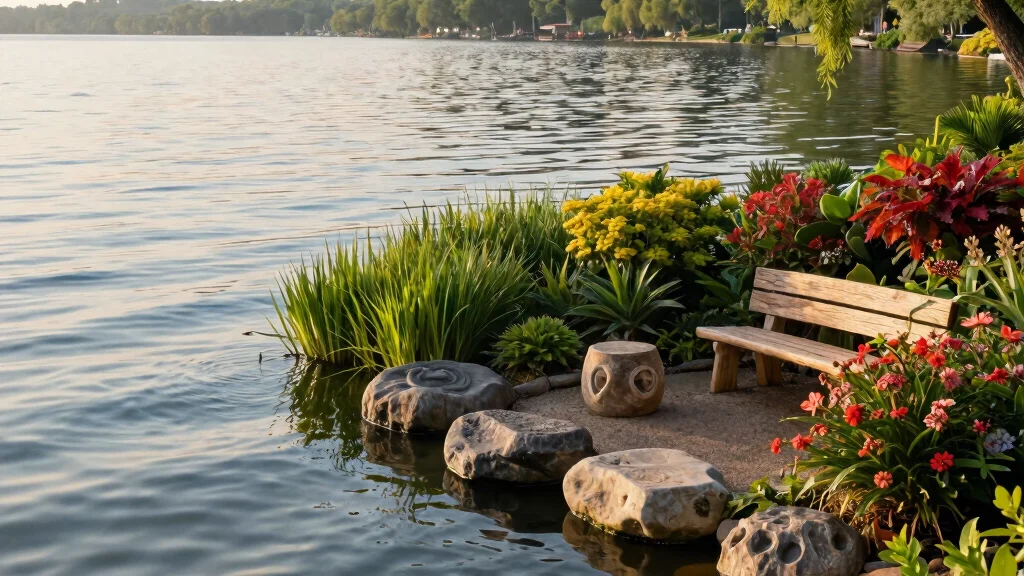
Creating a tranquil retreat by the water is a dream for many of us. The gentle lapping of waves, the soft rustle of leaves, and the serene view can make any shoreline feel like a slice of paradise. That’s why I put together this post; I want to help you transform your lakeside property into the peaceful oasis you’ve always wanted.
If you love gardening and crave a cozy outdoor space where you can unwind, this guide is just for you. Whether you’re a seasoned gardener or just starting out, you’ll find ideas that suit small spaces and don’t require a ton of maintenance. I’ve gathered ten lakeside landscaping ideas that are creative, calming, and ideal for creating your own little sanctuary by the water.
In this post, you’ll discover practical tips and inspiring concepts that can help you design a waterfront garden that reflects your style while also being eco-friendly. From native plants that thrive in your area to cozy seating nooks perfect for relaxation, you’ll learn how to elevate your shoreline into the most peaceful spot you own.
Key Takeaways
– Native Plant Garden: Start by incorporating lakeside plants that are native to your area. This helps create a thriving ecosystem and requires less upkeep.
– Outdoor Living Room: Design a comfortable outdoor living room with cozy furniture and shade options to enjoy and relax by the water.
– Water Features: Consider adding a small pond or fountain. Moving water can enhance the tranquil atmosphere and attract wildlife.
– Seating Nooks: Create intimate seating areas along your shoreline with benches, hammocks, or swing chairs to invite you to sit and soak in the tranquility.
– Eco-friendly Practices: Focus on sustainable landscaping choices, like rain gardens and natural stone pathways, to maintain your shoreline beautifully while protecting the environment.
Recommended Products

For best results, plant in USDA Zone:3-8 - Mature size: 24-36in H x 20-24in W

First Quality Native Wildflower Seeds – Current Lab Test Data Shown on Packet

For best results, plant in USDA zone: 3-8 - mature size: 24-36in H x 18-24in W
1. Create a Native Plant Garden
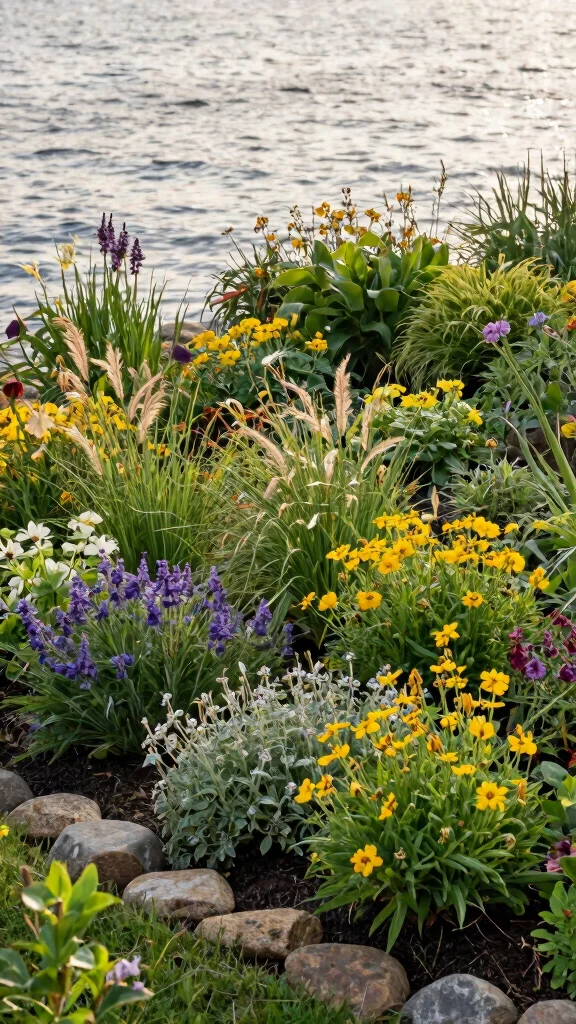
If you’re looking for a sustainable way to enhance your lakeside scenery, consider creating a native plant garden. Native plants flourish in your local climate, require little upkeep, and support local wildlife habitats. Imagine a vibrant tapestry of wildflowers, sturdy grasses, and colorful shrubs that bloom throughout the year, adding life and beauty to your space. These plants not only beautify your shoreline but also help with shoreline maintenance by curbing erosion and filtering runoff.
Start by researching native species that thrive in wetlands. Look for options like blue flag iris, swamp milkweed, and bulrushes to get started. Mix different heights and textures to create visual layers, inviting butterflies and birds. Additionally, choose plants that bloom at different times for a continuous display of color.
Key steps to create your native plant garden:
– Research local native species for your area.
– Create layers with varied plant heights and textures.
– Plan for succession bloom times to ensure year-round interest.
Developing a native plant garden not only enhances your lakeside property but also promotes eco-friendliness and supports local ecosystems.
Recommended Products

ENGINEERED FOR SAFETY & 500 LBS CAPACITY:Your family's safety is our priority. Unlike flimsy wooden bars, our Steel Spreader Bar with Anti-Slip Safety Rings locks the thick hanging ropes firmly in place. This heavy-duty design is SGS-tested to hold up to 500 lbs, creating a secure seat for the whole family to enjoy with peace of mind

Soft and durable hammock chair: Y- STOP hanging chair is made of soft polyester/cotton, allowing users to enjoy the comfort of soft sponge, with excellent softness, durability and comfort. So it is a best resting place for adults, children or pets
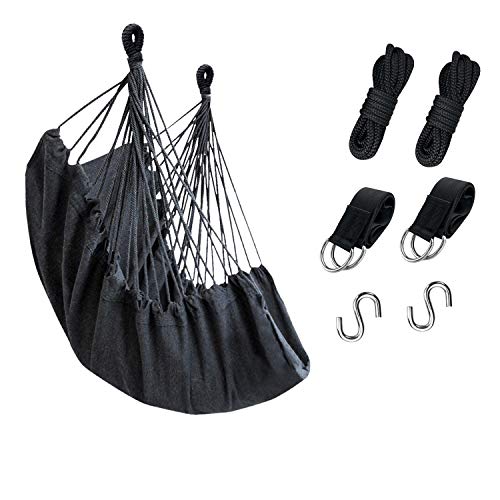
【EASILY ASSEMBLED HAMMOCK SWING】 This means that you can quickly and easily hang the cotton hanging chair in many different places. For example, easily hang it from a branch of a tree, or from a beam under your roof canopy or porch. This makes the hanging rope chair ideal for sipping a drink or reading a book.
Create a Native Plant Garden
Editor’s Choice

Native Wildflower Seeds for Planting 24 Variety Pack – Perennial & Ann…

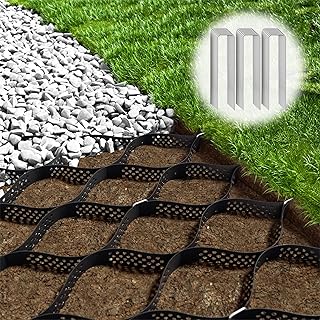
Gravel Grid 4.4×33 FT with 20Pcs Landscape Staples, 2” Thick Geogrid Gr…
2. Install a Wooden Dock or Pier
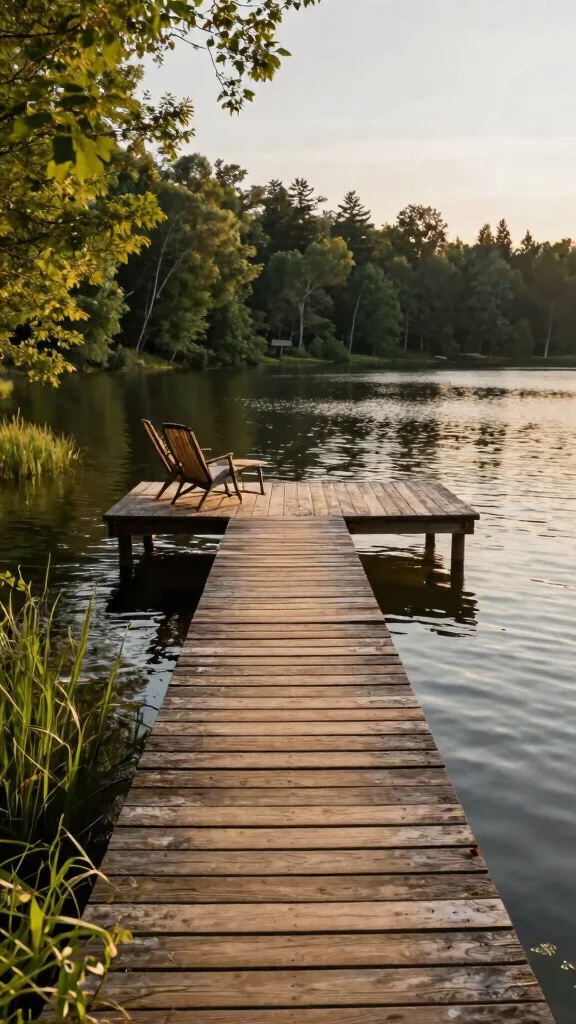
A wooden dock or pier can become the centerpiece of your lakeside retreat. It offers a serene spot for fishing, sunbathing, or simply enjoying the view, while also elevating the aesthetic of your shoreline. Picture a charming dock made of weathered wood that blends seamlessly with the natural surroundings.
When planning your dock, choose durable materials like pressure-treated wood or composite options that resist moisture. Make sure it’s easily accessible from your yard, promoting a smooth transition between land and water. To further enhance the space, add decorative railings or built-in seating for added comfort.
Key considerations for your dock project:
– Select weather-resistant materials for longevity.
– Ensure easy access from your property for convenience.
– Include seating or railings for added functionality and charm.
A well-designed dock transforms your outdoor space into a relaxing haven, perfect for family gatherings or quiet moments spent watching the water.
Recommended Products

Fast Acting & Easy to Use -- InstaFix Algae Control helps you win the algae battle, offering fast-acting, easy-to-use algae control. Simply pour liquid treatment evenly around the pond's edge.

This safe but fast-acting enzyme-based formula reduces and eliminates muck, dead leaves, odors

NO DIG NATURE POOL - Easy to build, parts click and fit together easily to set up in under an hour!
📹 Related Video: A Weekend Warrior 4×4 Post Dock Project #dock #4x4postdriver #4x4postprojects #4x4postIdeas
Install a Wooden Dock or Pier
Editor’s Choice

Heavy-Duty 90° Corner Dock Hardware Kit, Heavy Duty Boat Dock Steel Har…

Outdoor Solid Composite Decking Boards 96″x5.43″x1″, Polymer Composite D…

9Pcs Acacia Wood Interlocking Patio Deck Tiles, 12 x 12 x 0.9 Inch Outdo…
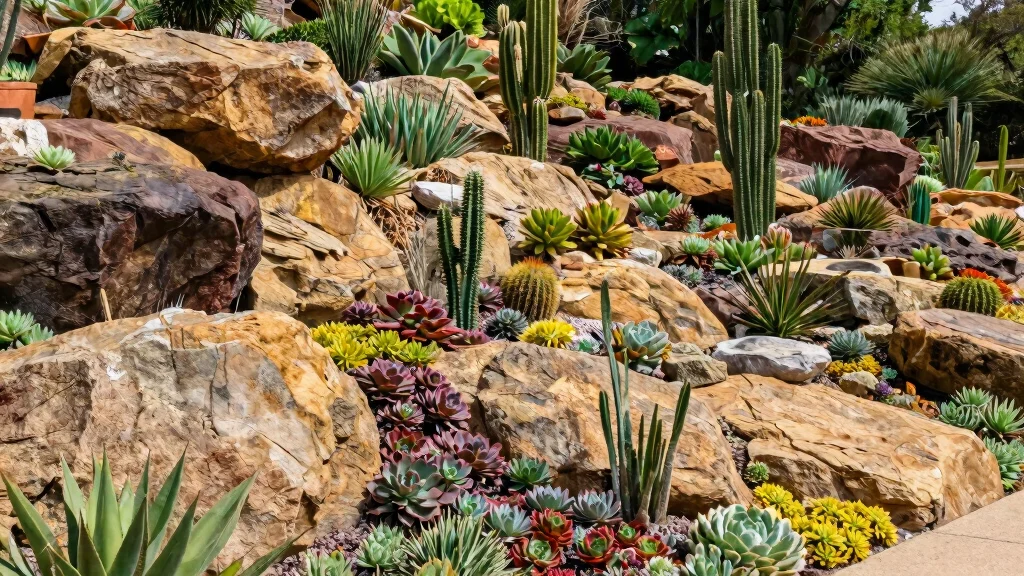
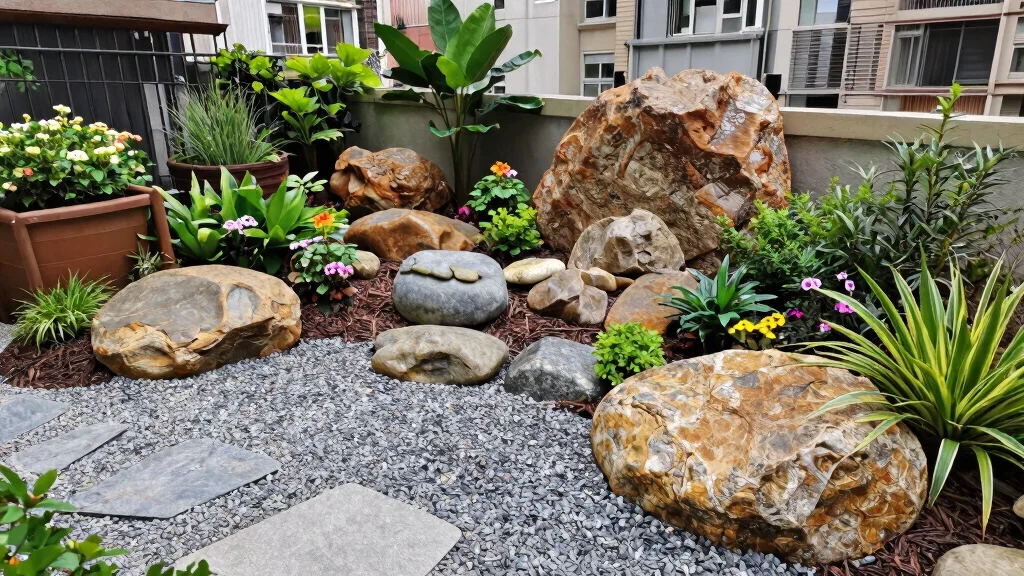
3. Incorporate Rock Gardens
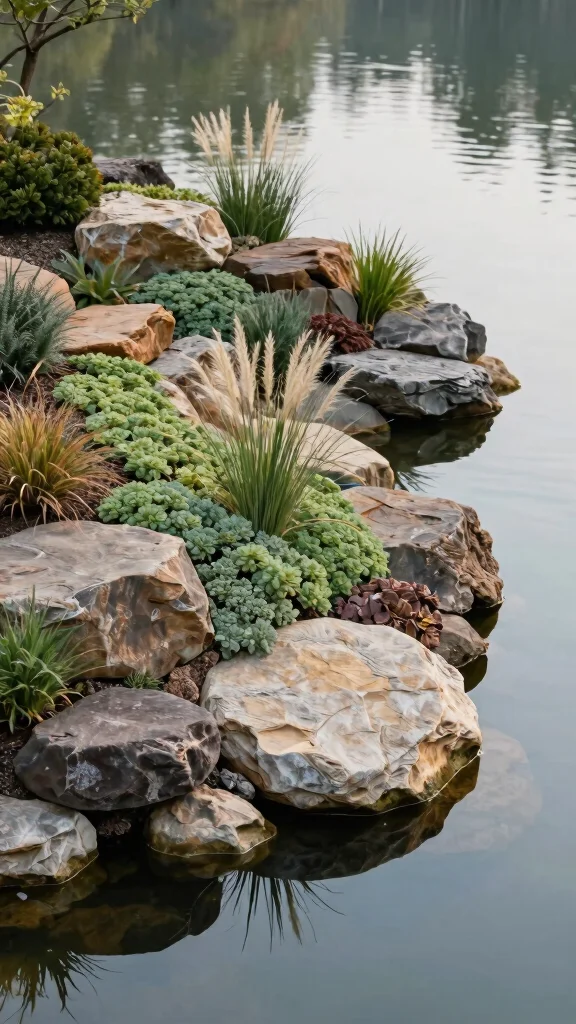
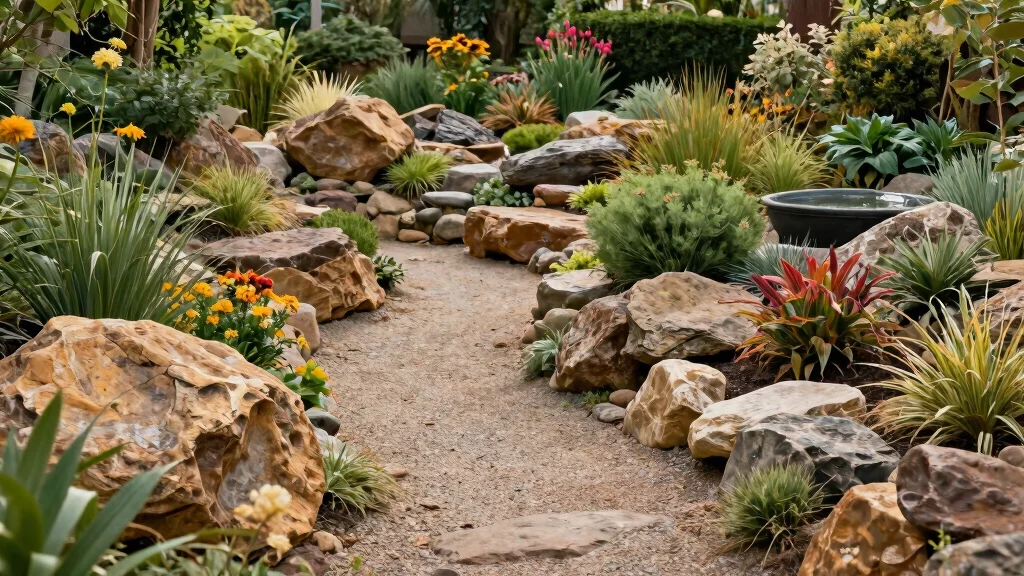
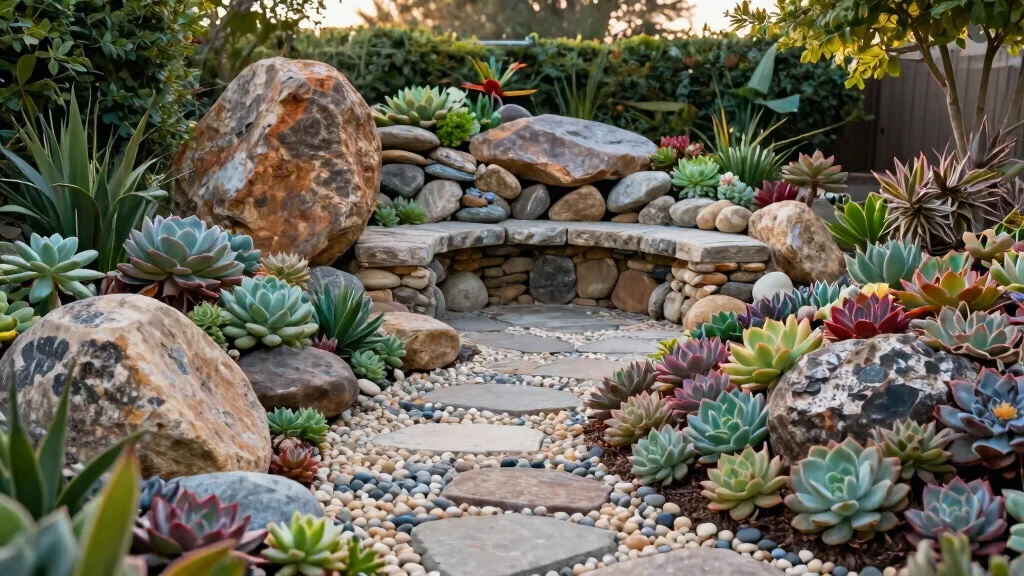
Rock gardens offer a rustic, low-maintenance option for your lakeside landscaping. They blend beautifully with water features, creating a natural aesthetic that enhances your outdoor space. Envision a serene area filled with varied stones and drought-resistant plants, all harmonizing with the surrounding environment.
To build your rock garden, select a mix of stone sizes and colors to create visual depth. Pair these stones with lakeside plants such as sedums or ornamental grasses that thrive in well-drained soil. Layer rocks in tiers to add height and interest while improving drainage.
Steps for creating an appealing rock garden:
– Choose a variety of stones for visual diversity.
– Use drought-resistant plants for easy care.
– Create tiers for depth and improved drainage.
By carefully arranging stones and plants, you can craft a stunning, effortless garden that enhances the tranquility of your lakeside setting.
Did you know? A rock garden in lakeside landscaping can cut maintenance by half and create a calmer, more inviting space. Pair it with drought-tolerant sedums for a drought-smart, water-friendly shoreline.
Recommended Products

Wild Blue Iris seeds: Grow Iris missouriensis, also called Rocky Mountain Iris or Western Blue Flag, with blue-purple blooms and yellow accents. Each packet contains 400 perennial seeds and covers up to 20 sq. ft. in beds and naturalized areas.

Size: 12.5 x 18 inches, perfectly fits various outdoor scenes such as patios, patios, porches, mailboxes, balconies, backyards, lawns, and flower beds; can be used for everyday home decoration, creating a festive atmosphere, or as a personalized sign for parties, events, and other occasions.

First Quality Native Wildflower Seeds – Current Lab Test Data Shown on Packet
Incorporate Rock Gardens
Editor’s Choice

Planting Sedum & Treating Sedum for Aphids (Stunning Indoor Plants)

Mix Horticultural Lava Pebbles Pumice Potting Soil Amendment Succulent C…

15 lbs White Rocks for Landscaping, 1-2 inch Decorative Rocks for Plants…
4. Design an Outdoor Living Room
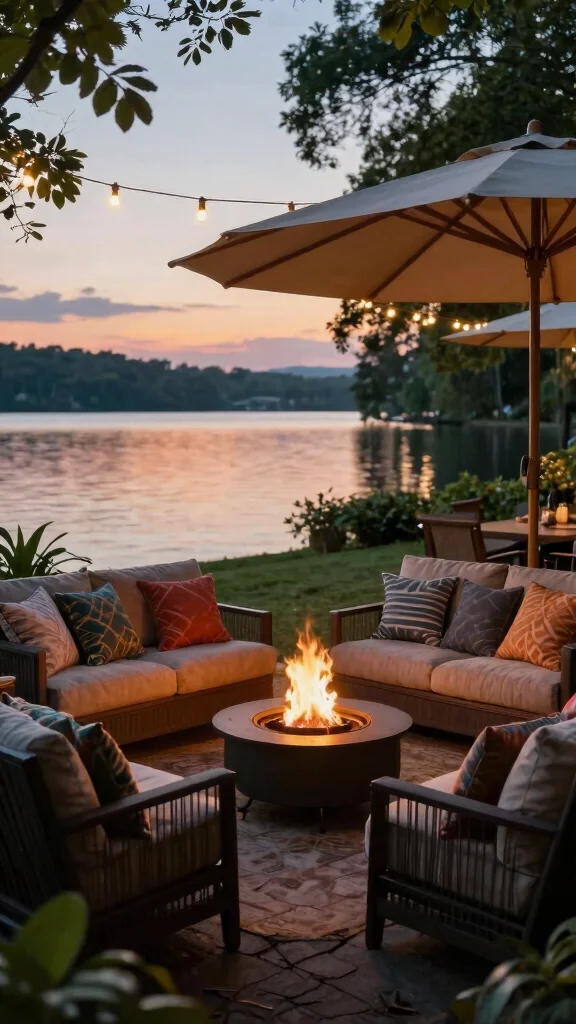
Transforming your lakeside area into an outdoor living room can create a cozy retreat for relaxation and socializing. Picture comfortable seating where you can enjoy coffee in the morning while soaking in the sounds of nature.
To create your outdoor oasis, select weather-resistant furniture that prioritizes comfort. Opt for natural colors that blend with your surroundings. Add a fire pit for warmth and atmosphere during cool nights, and consider incorporating pergolas or shade sails for comfort on sunny days.
Tips for designing your outdoor living room:
– Choose comfortable, weather-resistant seating for relaxation.
– Add a fire pit for warmth and ambiance in the evenings.
– Use shade structures to enhance comfort during hot days.
This outdoor living space will elevate your lakeside experience, providing a perfect setting to unwind with family and friends under the stars.
Recommended Products

Comfort and Health benefits: They offer a gentle swaying motion that can be very soothing.Hammock chairs are incredibly comfortable and provide a unique sitting experience that can offer several health benefits, including improved circulation, reduced muscle tension, and better sleep quality.Strong metal spreader bar promotes your long lasting enjoyment.

Soft and durable hammock chair: Y- STOP hanging chair is made of soft polyester/cotton, allowing users to enjoy the comfort of soft sponge, with excellent softness, durability and comfort. So it is a best resting place for adults, children or pets

▶ SAFE & STRONG - Sturdy Steel Spreader Bar makes the hammock swing more stable, its Anti-Slip Rings can effectively prevent the rope from slipping. It has strong strength for supporting your weight and can holds up to 500lbs.
Design an Outdoor Living Room
Editor’s Choice
Blissun 9′ Outdoor Patio Umbrella, Outdoor Table Umbrella, Yard Umbrella…

HERA’S HOUSE Patio Furniture Conversation Set, Outdoor Swivel Glide Wick…

Sunnydaze Crossweave Outdoor Fire Pit – Wood-Burning Fire Pit for Outsid…
5. Add a Water Feature
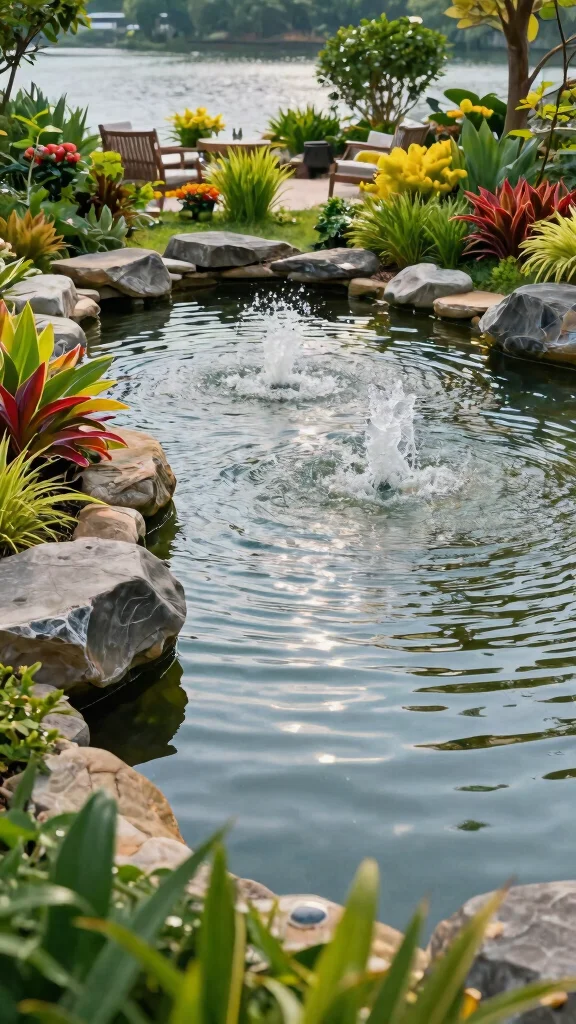
Incorporating a water feature like a fountain or pond can significantly enhance the serenity of your lakeside landscaping. The soothing sounds of flowing water create a peaceful ambiance that complements the natural beauty of your surroundings.
When choosing a water feature, ensure it fits the scale of your space. Small fountains are ideal for cozy areas, while larger ponds suit spacious settings. Surround your feature with aquatic plants like water lilies or lotus flowers to enhance its charm and ecological benefits. Create seating nearby to enjoy the calming sounds of water.
Essential tips for adding a water feature:
– Select an appropriately sized feature for your space.
– Integrate aquatic plants for added beauty and benefits.
– Position seating close to enjoy the tranquil atmosphere.
A water feature can transform your lakeside area into a serene retreat, fostering mindfulness and a deeper connection with nature.
Recommended Products

[✔Built-in Battery Backup]: The solar fountain pump for bird bath has a 6.5W large powerful solar panel built-in rechargeable 3000mAh battery backup to store energy makes it winner. The solar pump will keep running on cloudy days unlike others that need full sun all the time. Note: this solar fountain does not work at night.

Fountain Algae Control Solution 32-Ounce Bottle, Not Safe For Fish

【Fountain Pump with Colorful LED Light】: This Fountain pump features 12 energy-saving LED light beads with 4 colors (red, blue, green, yellow), makes a decorative water feature lighting effect for gardens, patio, ponds, aquariums, fish tanks, waterfalls, indoor and outdoor fountains 【 Better lighting effect at night 】
You might also like
Add a Water Feature
Editor’s Choice

Solar Fountain Water Pump for Bird Bath, New Upgraded Mini Solar Powered…

Water Lily Rhizomes Bundle – 3 Pre-Grown Hardy Lilies TUBERS in Pink, Ye…
6. Utilize Raised Garden Beds
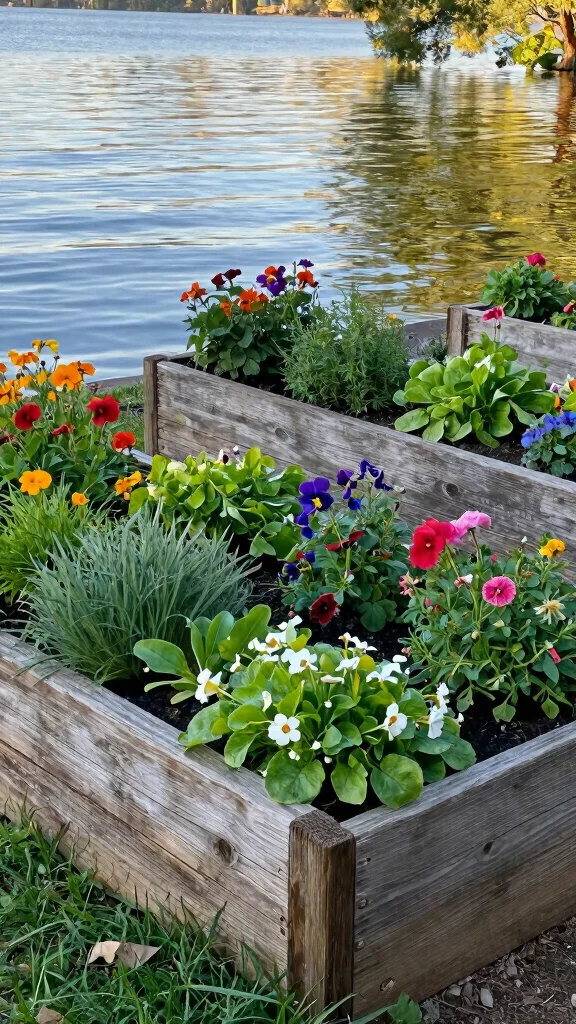
Raised garden beds can be a valuable addition to your lakeside landscaping. They not only introduce height and visual interest but also make gardening more manageable and accessible.
Raised beds improve drainage, preventing soil erosion along the shoreline. Fill them with nutrient-rich soil tailored to the plants you want to grow, enhancing your gardening success. Combine herbs, vegetables, and ornamental plants in your beds for a diverse and eye-catching landscape.
Benefits and tips for raised garden beds:
– Enjoy improved drainage for healthier plants.
– Customize soil to suit your garden needs.
– Mix plants for a diverse and appealing display.
Raised garden beds serve as both functional and decorative elements, enriching your lakeside property while providing fresh produce or stunning flowers.
Recommended Products

Premium Quality: Our garden flags feature vivid tulip, butterfly patterns, crafted with premium colorfast permanent dye. This dye locks in bright, lively hues, ensuring the designs stay vibrant long-term. Each pattern is derived from unique, original artwork, so your flag can stand out, whether placed in the garden or by the porch
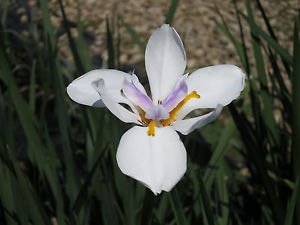
🌴White African Iris is the perfect grass like shrub to add some Exotic vibes to your garden or landscape.

DARK BLOOMS: Superstition Bearded Iris features black and purple flowers, with 7-11 buds per stem.
How To Choose Lakeside Landscaping Elements
Choosing the right elements for your lakeside landscaping can make a huge difference in both aesthetics and functionality. Here are some key criteria to keep in mind as you plan your serene oasis by the water.
1. Assess Your Space
Before diving in, measure your available space. Consider factors like the size of your shoreline and how much area you want to dedicate to landscaping. You don’t want to overcrowd your spot, so aim for a balanced layout that feels open and inviting. A small space might benefit from vertical gardening or compact seating areas.
2. Select the Right Plants
When picking lakeside plants, opt for those that thrive in your climate and can handle moisture. Native plants are a great choice since they require less maintenance and support local wildlife. Consider incorporating a mix of perennials and annuals for continuous blooms throughout the year. Look for plants like blue flag iris or cardinal flower that not only beautify but also help with shoreline stabilization.
3. Consider Functionality
Think about how you plan to use your lakeside space. Do you want a relaxing spot for reading, or a place to entertain guests? If relaxation is your goal, include comfortable seating and shade structures. For gatherings, you might want to add a fire pit. Make sure these elements are easy to access and arrange them to take advantage of the view.
4. Focus on Eco-Friendly Choices
Opt for eco-friendly landscaping options to protect your shoreline. Use organic mulch, rain gardens, or permeable paving. This helps prevent erosion and keeps your water clean. You could also consider native wildflower meadows instead of traditional grass lawns, which often need more water and maintenance.
5. Plan for Maintenance
All landscapes need upkeep, especially near water. Choose materials and plants that require minimal maintenance. For example, use stone pathways instead of grass, which can be harder to maintain near a shoreline. Be mindful of seasonal changes and plan for regular shoreline maintenance tips like trimming back overgrown plants or clearing debris.
6. Think About Aesthetics
Finally, create a visual flow that draws the eye along the shoreline. Layer your plants by height, with taller varieties in the back and shorter ones in front. Incorporate decorative elements like sculptures or wind chimes that reflect your personal style. Use color schemes that complement the natural surroundings, such as blues and greens that mirror the water.
Pro Tip:
Sketch your ideas on paper before starting your landscaping project. This will help you visualize how everything fits together and allow you to make adjustments. Don’t hesitate to consult with a local landscaping expert to get tailored advice for your specific lakeside environment!
Recommended Products

Soft and durable hammock chair: Y- STOP hanging chair is made of soft polyester/cotton, allowing users to enjoy the comfort of soft sponge, with excellent softness, durability and comfort. So it is a best resting place for adults, children or pets

HEAVY-DUTY- Most hammock swings on the market only support up to 300 lbs. Our hammock chair swing can support up to 500 lbs. of weight. Setup this hanging hammock chair virtually anywhere!
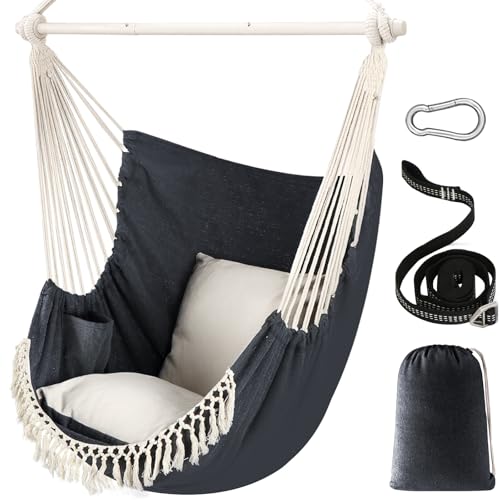
Comfort and Health benefits:They offer a gentle swaying motion that can be very soothing.Hammock chairs are incredibly comfortable and provide a unique sitting experience that can offer several health benefits, including improved circulation, reduced muscle tension, and better sleep quality.It comes with 2 cushions to ensure maximum comfort.
Utilize Raised Garden Beds
Editor’s Choice

FLORA GUARD 6-Piece Garden Tool Set, Heavy Duty Gardening Hand Tools,Inc…

zunatu 10x2x1ft(2 Pack) Galvanized Raised Garden Bed,Outdoor Planter Box…

Earth Science RevitaSoil, 4 lb – Organic Soil Revitalizer – Earthworm Ca…
7. Create a Pathway with Natural Stones
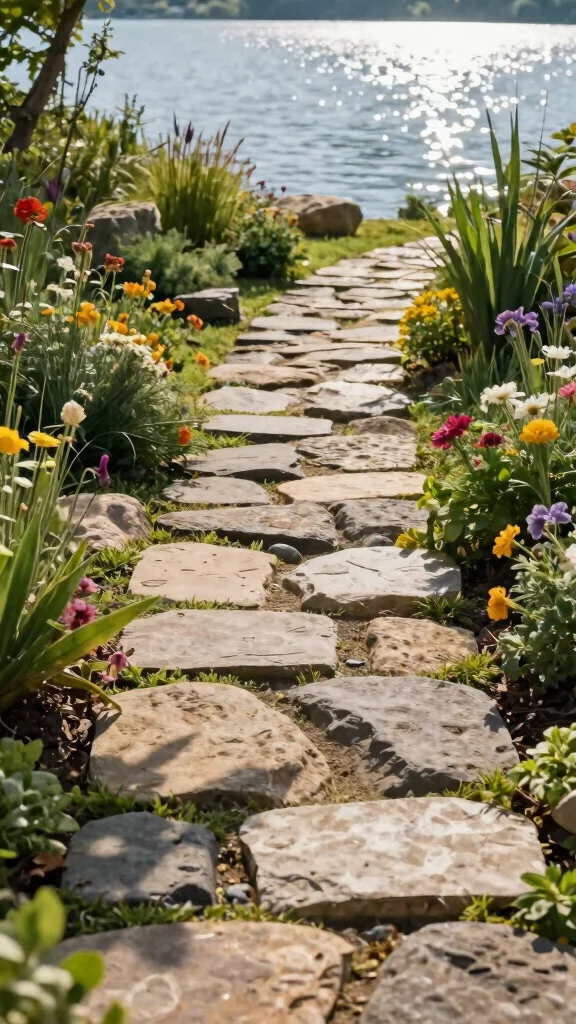
A beautifully designed pathway can enhance the charm of your lakeside landscaping while ensuring easy access to different garden areas. Natural stones are an excellent choice, blending seamlessly with the environment.
For your pathway, choose a variety of stone shapes, sizes, and colors to create visual interest. Line the sides with lakeside plants or groundcover to soften the edges and enhance the natural feel. Design the pathway to flow gently through the landscape, avoiding straight lines for a more organic look.
Key tips for your stone pathway:
– Use a mix of stones for a dynamic appearance.
– Incorporate greenery along the sides for softness.
– Design the path to curve naturally through the garden.
A well-placed stone pathway not only adds beauty but also encourages exploration and enjoyment of your lakeside retreat.
Recommended Products

Pond Blue enhances the look of your water feature by creating beautiful blue water

Enzyme-based formula gets to work instantly to prolong the life of your water feature or pump.

1. 🐸 Handcrafted Resin with Rustic Patina 「Expertly molded by artisans using durable resin, featuring a weathered black finish that mimics aged iron. Blends seamlessly into gardens, ponds, or patios for an industrial-natural fusion.」
Create a Pathway with Natural Stones
Editor’s Choice
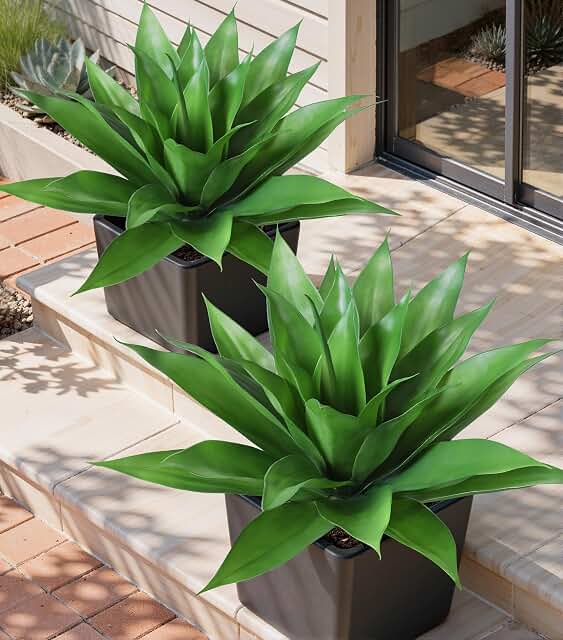
Ivydale Fake Plants, 2 Pcs 28″ Agave Artificial Plants Outdoor UV Resist…

Arcadia Garden Products Set of 4, 16×17” Dark Gray Stepping Stone Fibe…
Landscape Edging Garden Edging Border Faux Stone Edging,17FT x 2.75 in T…
8. Install Landscape Lighting
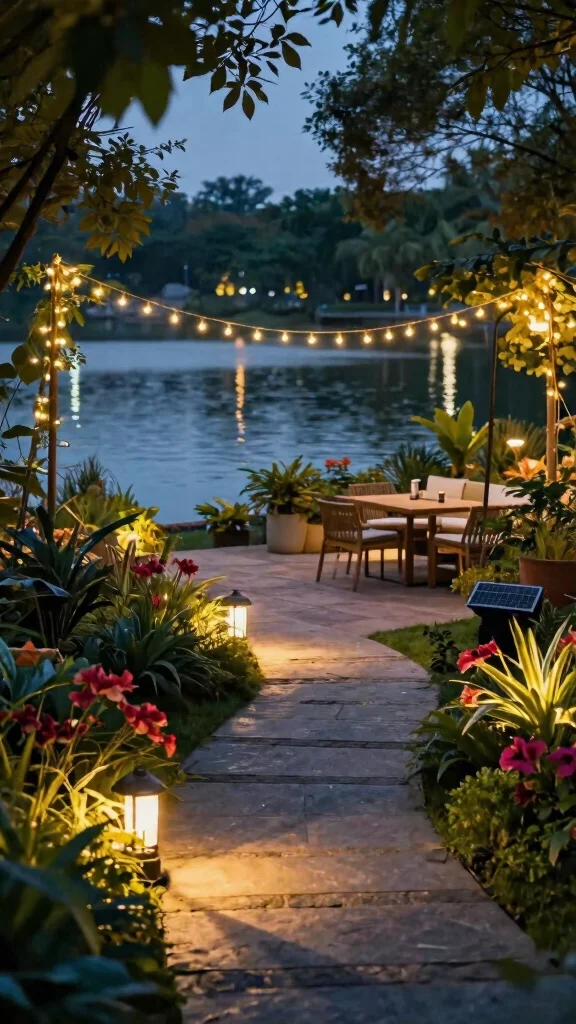
As night falls, the right landscape lighting can dramatically transform your lakeside space. Not only does it enhance beauty, but it also adds safety and utility to your outdoor area.
Consider using solar lights for an eco-friendly option that effortlessly illuminates pathways and features. Highlight focal points like trees or unique plants with uplighting to create artistic night effects. String lights can add a warm glow around seating areas or pathways, inviting you to linger.
Ideas for landscape lighting:
– Install solar lights for eco-friendly illumination.
– Use uplighting to showcase key landscape features.
– Hang string lights to create a cozy atmosphere.
Incorporating landscape lighting into your lakeside landscaping creates a magical ambiance, allowing you to enjoy your peaceful spot even after dark.
Even after sunset, your lakeside space can be inviting. Keep it simple: add solar lights for landscape lighting along paths, highlight trees with uplighting, and drape string lights over seating—easy, energy-smart, and instantly cozy.
You Might Also Like
Install Landscape Lighting
Editor’s Choice

Mancra Solar Pathway Lights, 8 Pack LED Solar Lights Outdoor Waterproof,…

Formosa 26ft Clear Incandescent Christmas String Light, Outdoor G40 Shat…

Catalina Lighting Multipurpose Spotlight Accent Lamp, Desk or Wall Mount…
9. Integrate Seating Nooks
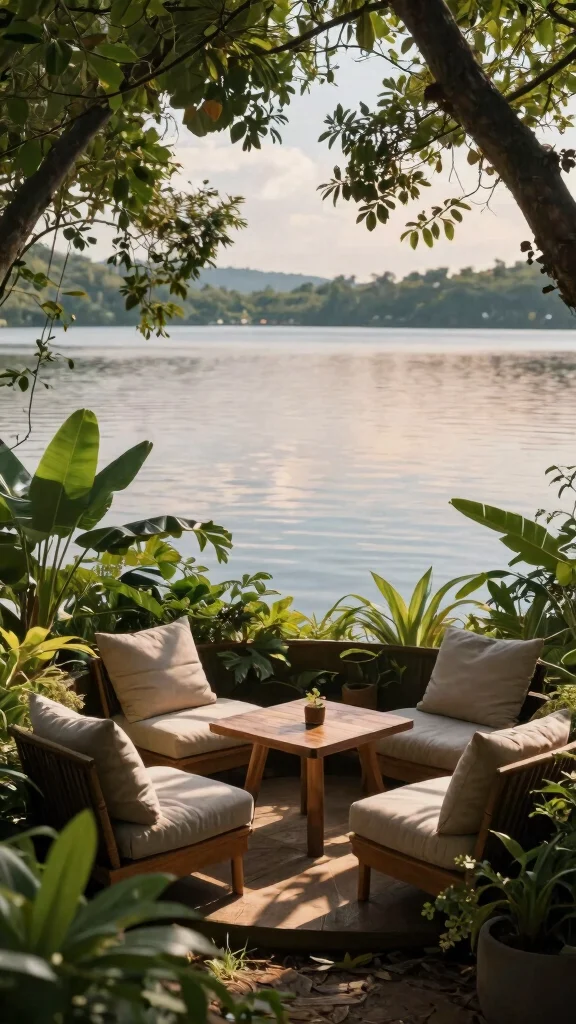
Creating intimate seating nooks in your lakeside landscape encourages relaxation and peaceful reflection. These cozy spots are perfect for reading, meditating, or simply enjoying the view.
To design inviting seating areas, choose natural materials like wood, stone, or woven fibers that blend with the environment. Position seating to face the lake or interesting plants, enhancing your experience. Add cushions or blankets for comfort and usability.
Ways to design engaging seating nooks:
– Use natural materials for a harmonious design.
– Position seats for optimal views of nature.
– Include soft touches for added comfort.
Creating comfortable seating areas invites relaxation and rejuvenation, allowing you and your guests to fully appreciate the calming lakeside atmosphere.
Integrate Seating Nooks
Editor’s Choice

Favoyard Deep Seat Patio Cushion Set 24 x 24 Inch Waterproof Outdoor Cha…

Adirondack Square Outdoor Side Table,2-Tier Storage Patio Side Table, HD…

Folding Adirondack Chair, HDPE Adirondack Chairs Set of 2, Plastic Outdo…
10. Incorporate Edible Landscaping
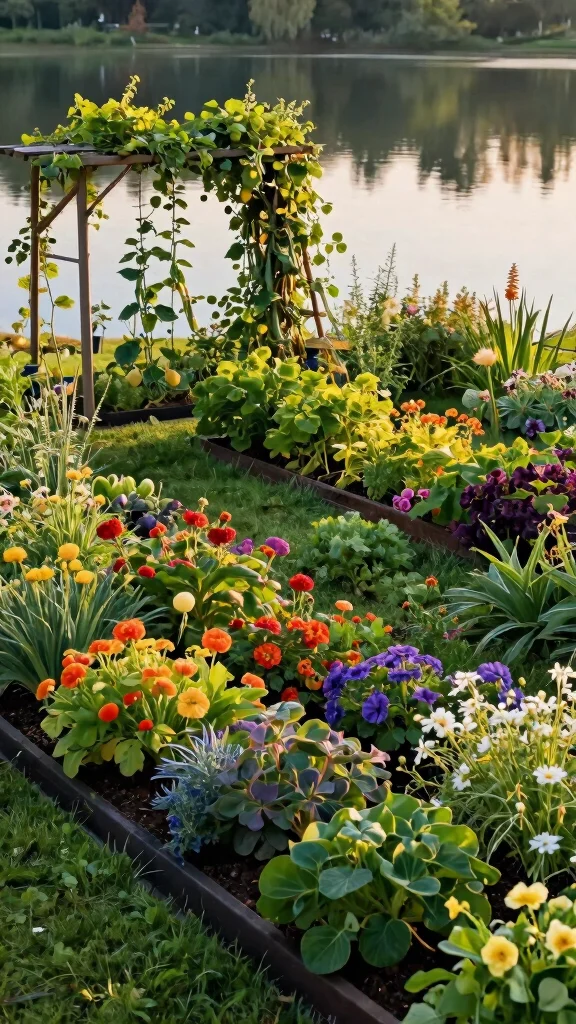
Edible landscaping is a delightful way to blend beauty with functionality in your lakeside garden. Imagine harvesting fresh fruits and herbs right from your waterfront oasis!
To successfully incorporate edible plants, choose varieties that thrive near water, like blueberries, raspberries, or herbs. Design mixed beds that combine edible and ornamental plants to maintain visual appeal while providing delicious produce. Consider vertical gardening or trellises to maximize small spaces effectively.
Steps for adding edible elements to your landscape:
– Select water-thriving plants for your garden.
– Create mixed beds for visual and culinary diversity.
– Utilize vertical space for climbing plants.
By adding edible landscaping, you create a picturesque environment that offers enjoyment and fresh produce throughout the seasons.
Fun fact: In lakeside landscaping, edible beds can boost usable harvest by 20–30% when you pair water-tolerant varieties like blueberries and raspberries with ornamental plantings. Design mixed beds that blend edible and ornamental plants to maintain visual appeal while providing delicious produce.
Incorporate Edible Landscaping
Editor’s Choice

Raised Garden Beds with 6 Garden Planter Boxes Indoor Outdoor Vertical R…

200 pcs Red Raspberry Seeds for Planting Red Raspberry Sweet Fruit Vigor…

LEETOLLA Elevate 32″ Tall Raised Garden Bed Outdoor with Wheels & Shelf …
Conclusion
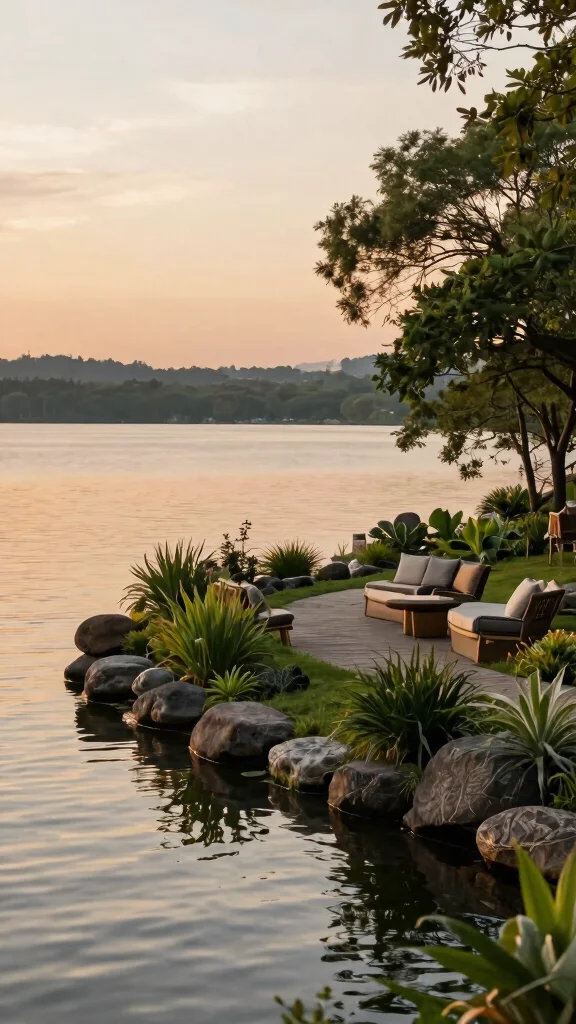
Lakeside landscaping offers a unique opportunity to blend beauty, sustainability, and relaxation in your outdoor space.
From native plant gardens to cozy seating nooks and edible landscaping, these ideas can transform your shoreline into the most peaceful spot you own. With careful planning and creativity, you can create an oasis that not only enhances the beauty of your lakeside property but also promotes ecological health and personal well-being. Embrace these ideas and let your lakeside retreat become a cherished haven.
Note: We aim to provide accurate product links, but some may occasionally expire or become unavailable. If this happens, please search directly on Amazon for the product or a suitable alternative.
This post contains Amazon affiliate links, meaning we may earn a small commission if you purchase through our links, at no extra cost to you.
Frequently Asked Questions
What exactly is lakeside landscaping and how can I start a small shoreline garden?
Lakeside landscaping blends water-friendly planting, durable hardscape, and tranquil spaces to turn your shoreline into a peaceful retreat. It’s about choosing the right lakeside plants, minimizing erosion, and designing with the lake in mind so you can enjoy the view without maintenance headaches.
Starting a small shoreline project is all about a simple plan: map sun, wind, and water exposure; pick a few native, salt-tolerant species; create a slender buffer along the edge with grasses and groundcovers; and tuck in a cozy outdoor relaxation space.
Keep it eco-friendly with eco-friendly landscaping practices like using native species, rain barrels, mulch, and permeable pathways. For an aesthetically balanced look, apply waterfront garden design principles: focal point, layered textures, and cohesive color. And always include shoreline maintenance tips to protect the lake and your yard.
Which lakeside plants are best for a tiny waterfront space?
For a small lakeside area, prioritize lakeside plants that tolerate moisture, sun or shade, and wind. Native sedges like Carex spp., compact grasses such as little bluestem, and hardy perennials like blue flag iris thrive in tight spots.
Layer your planting: a low-growing ground cover at the water’s edge, a middle tier of grasses or perennials, and a taller accent away from the shoreline. This waterfront garden design approach keeps the space feeling open while adding texture.
Keep maintenance light with native selections to reduce watering, fertilizing, and mowing near the shore. Regularly remove invasive species and stick to sustainable practices as part of shoreline maintenance tips. This also supports eco-friendly landscaping goals.
What are practical shoreline maintenance tips to keep a peaceful lakefront lawn?
Start with a gentle buffer along the water: plant native grasses and shrubs to slow runoff, stabilize the bank, and create habitat. Use a mulch strip to protect roots and reduce erosion.
Avoid fertilizing right at the water’s edge and choose slow-release fertilizers away from the shoreline. Install permeable pathways and rain gardens to manage stormwater.
Schedule periodic inspections for erosion, washouts, or invasive species. Keep tools, motorized gear, and chemicals away from the lake, and respect local shoreline rules to maintain that peaceful vibe.
How can I design a waterfront garden that feels calm and eco-friendly in a small space?
Think simplicity: limit color palettes, incorporate natural textures, and place a focal point like a small seating area or sculpture that reflects the quiet mood of lakeside living.
Prioritize eco-friendly landscaping with native lakeside plants, rainwater harvesting, solar lighting, and permeable surfaces. Use waterfront garden design principles: balance, scale, and a view to the water.
Create outdoor relaxation spaces with a compact deck or platform, a shaded corner, and a hammock or bench to enjoy the lake without crowding the space.
What are some easy outdoor relaxation spaces I can add to a lakeside yard?
A shaded seating nook with weatherproof chairs and a small table next to the water instantly elevates any lakeside landscape.
Add a simple fire pit or a low stone circle to define an outdoor relaxation spaces area, surrounded by fragrant lakeside plants and soft lighting.
Consider a compact dock, a floating deck, or a hammock under a pergola to maximize your waterfront experience. All of these ideas fit well with lakeside landscaping and eco-friendly landscaping goals.
Related Topics
lakeside landscaping
waterfront garden design
eco-friendly landscaping
shoreline maintenance
outdoor relaxation spaces
lakeside plants
small space gardening
beginner friendly
seasonal landscaping
DIY garden projects
sustainable gardening
quick landscaping tips